تاريخ:Sep 04, 2026
تحتوي المحركات الحديثة على شبكة كبيرة من أجهزة الاستشعار والمحركات والصمامات ووحدات التحكم. ومن الخارج أ مكونات محرك السيارة قد يبدو الكتالوج وكأنه مجموعة من قطع الغيار المنفصلة. أما داخل السيارة، تعمل هذه المكونات كعناصر متصلة ضمن نظام إدارة المحرك.
لا يقوم مستشعر موضع الخانق بالإبلاغ عن حركة الخانق فحسب. لا يقوم صمام التحكم في الهواء الخامل بضبط عدد الدورات في الدقيقة الخامل ببساطة. يمكن أن تتفاعل إشاراتها وإجراءاتها من خلال وحدة التحكم الإلكترونية، جنبًا إلى جنب مع المعلومات الواردة من MAP ودرجة حرارة سائل التبريد وموضع العمود المرفقي والمدخلات الأخرى.
يقوم مستشعر موضع الخانق، أو TPS، بمراقبة الموضع الزاوي للوحة الخانق ويرسل إشارة كهربائية مقابلة إلى وحدة التحكم في المحرك. يعمل نظام TPS التقليدي عادة مع مصدر مرجعي يبلغ حوالي 5 فولت، بينما يتغير خرجه وفقًا لحركة الخانق. يمكن لوحدة التحكم الإلكترونية استخدام هذه المعلومات لتحديد طلب السائق والتعرف على ظروف الخانق المغلق.
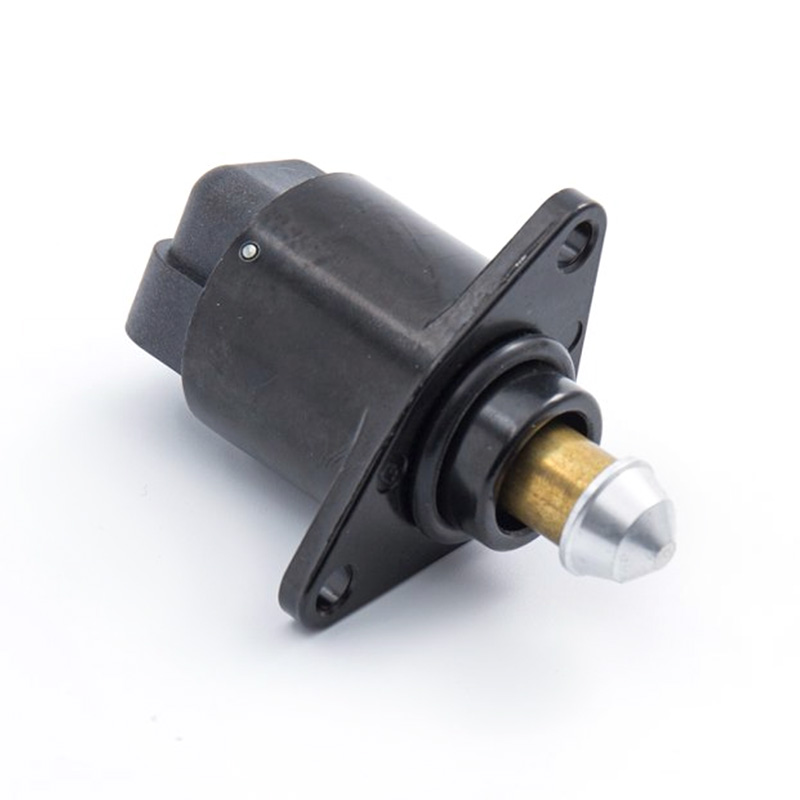
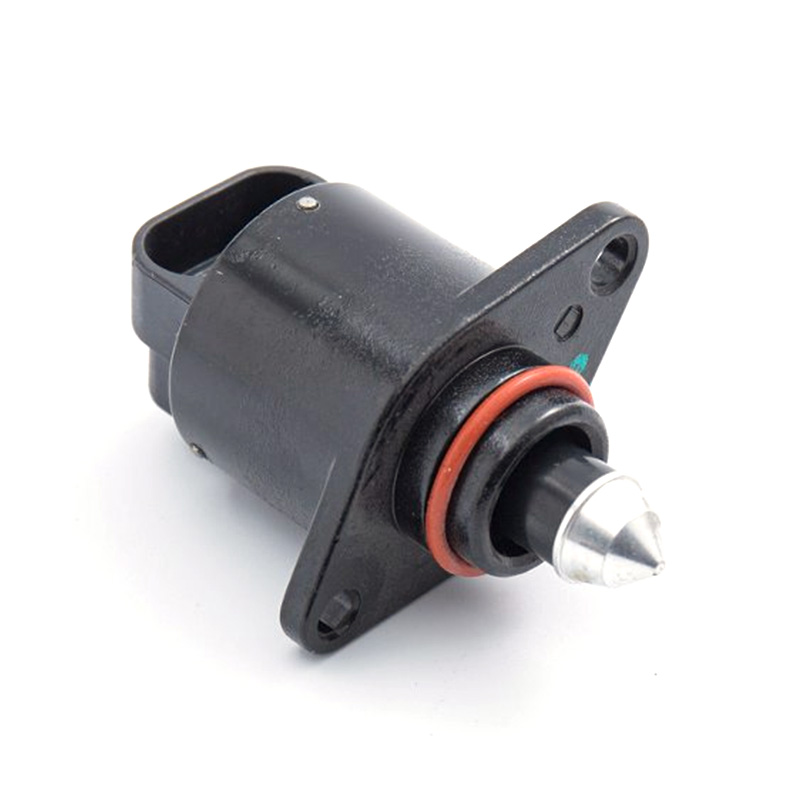
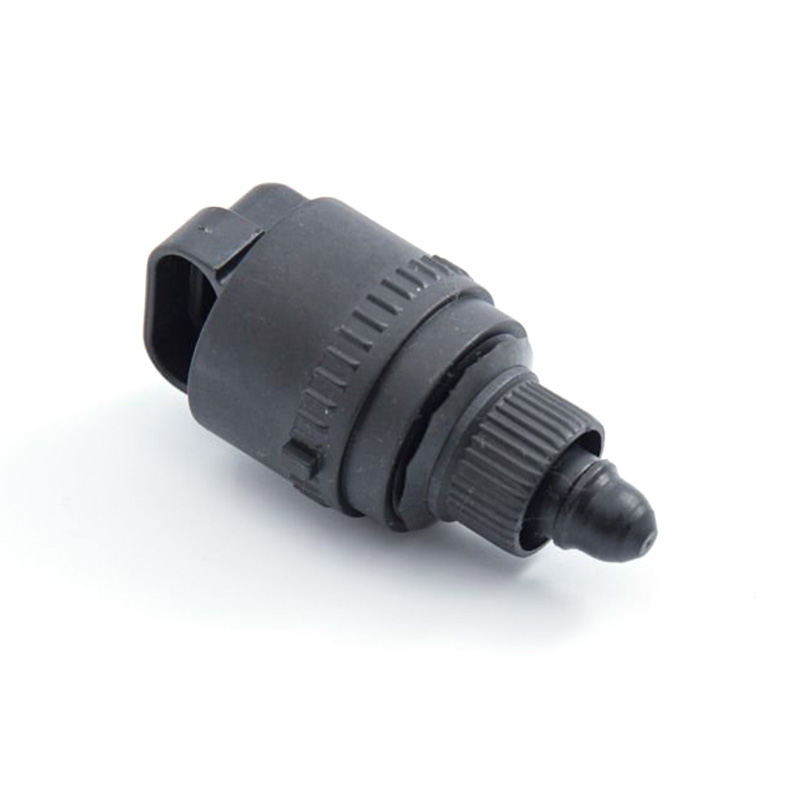
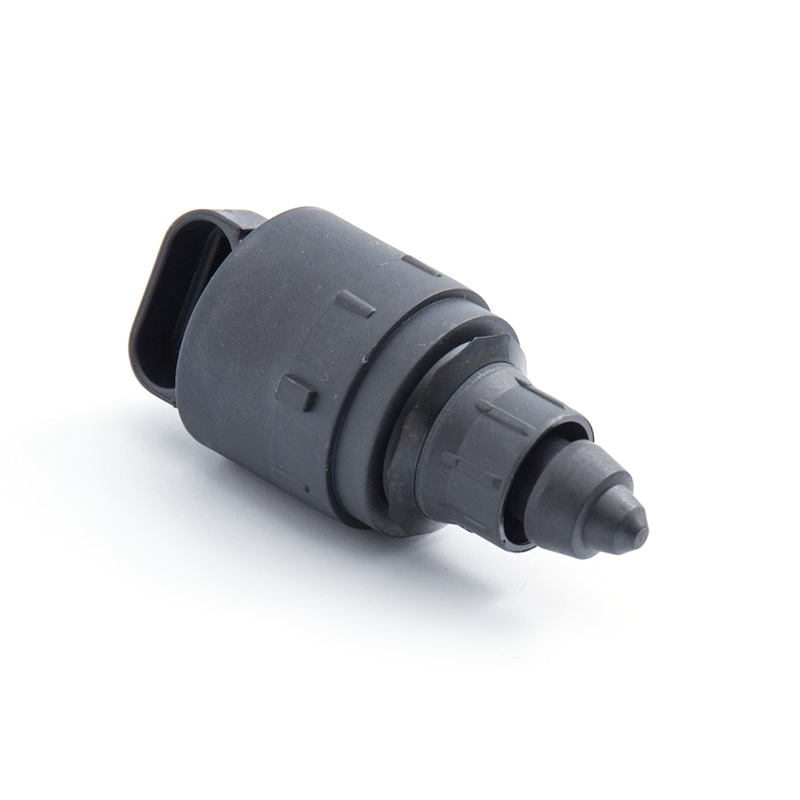
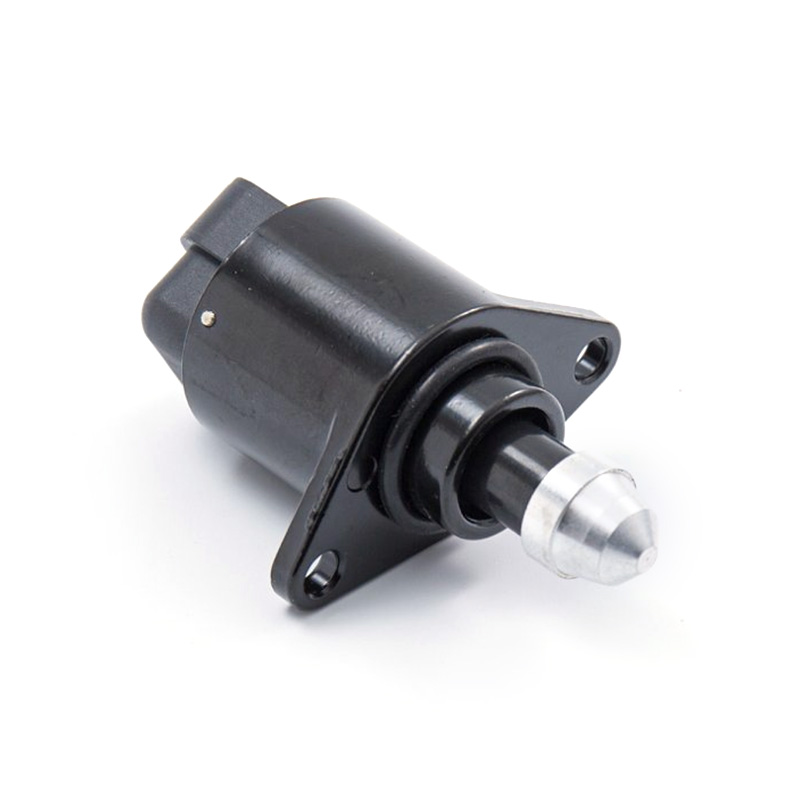
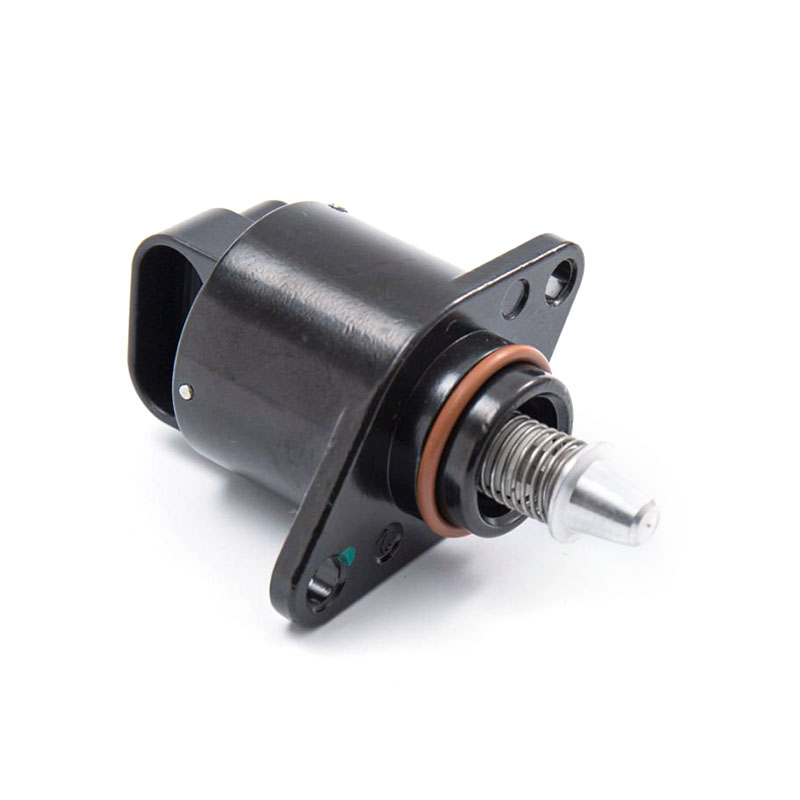
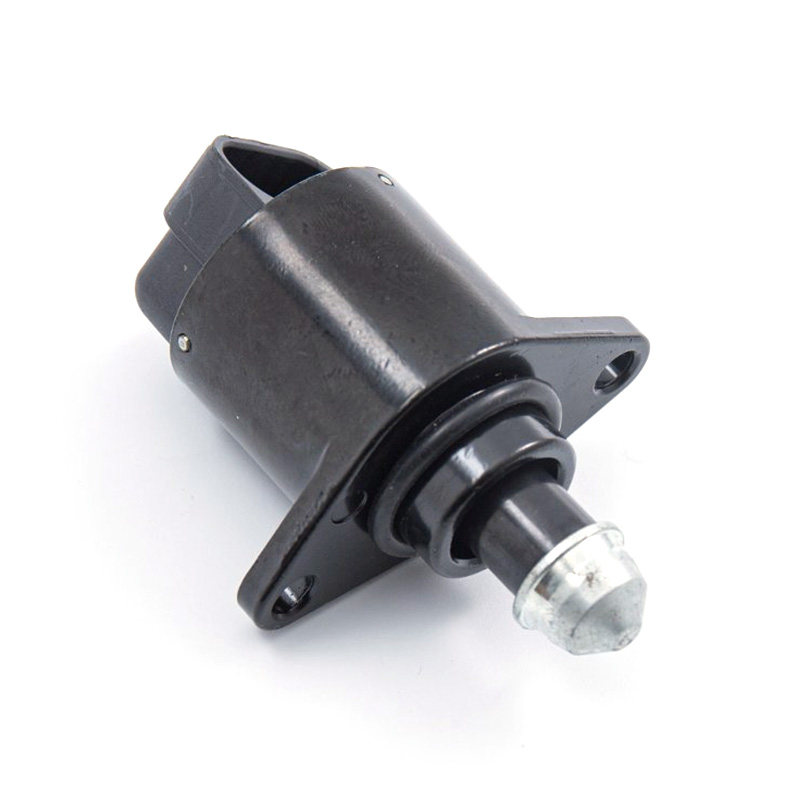
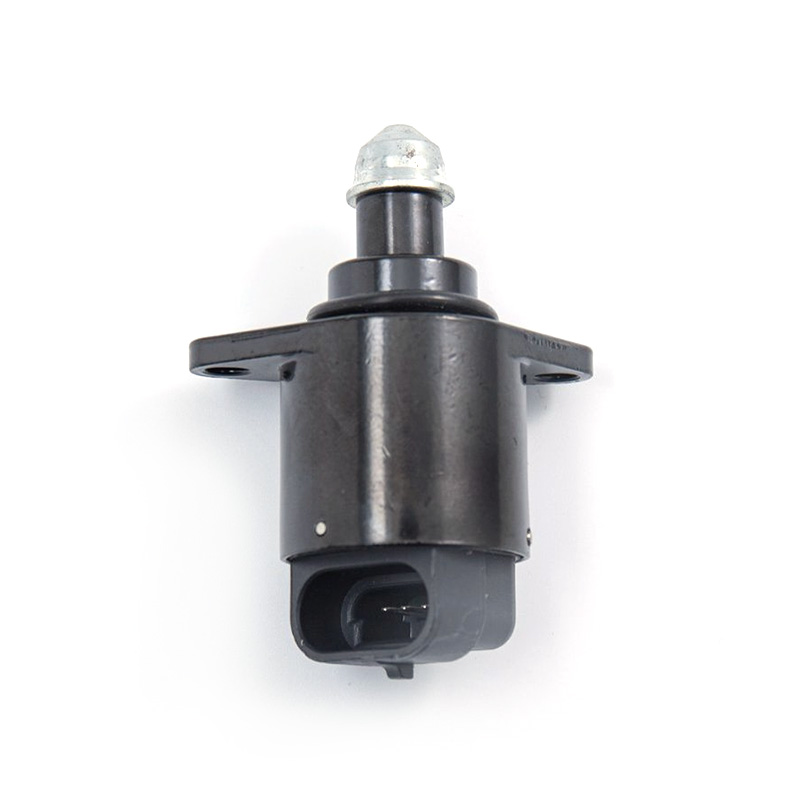
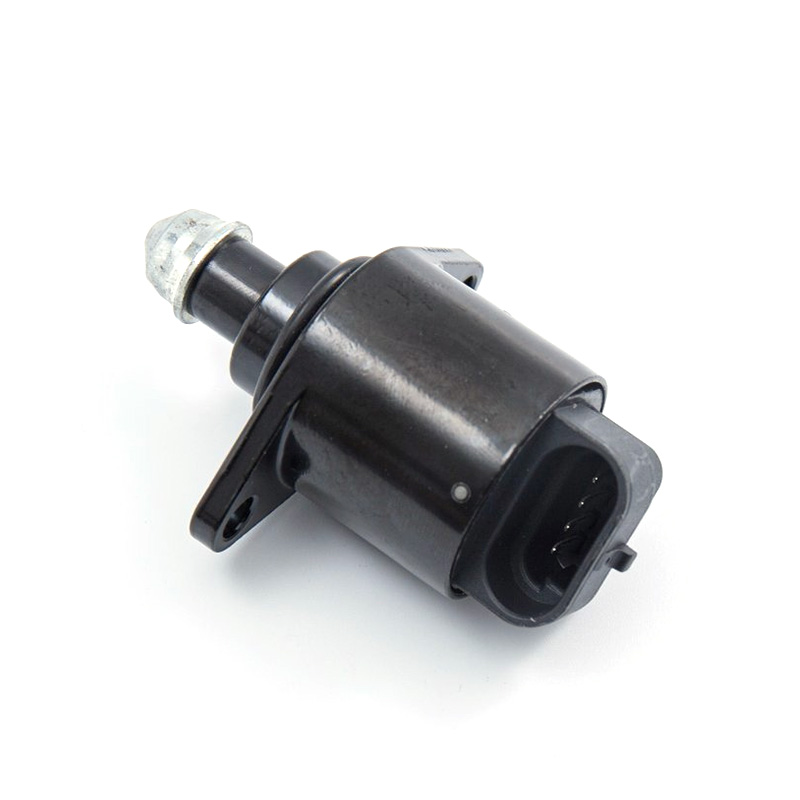
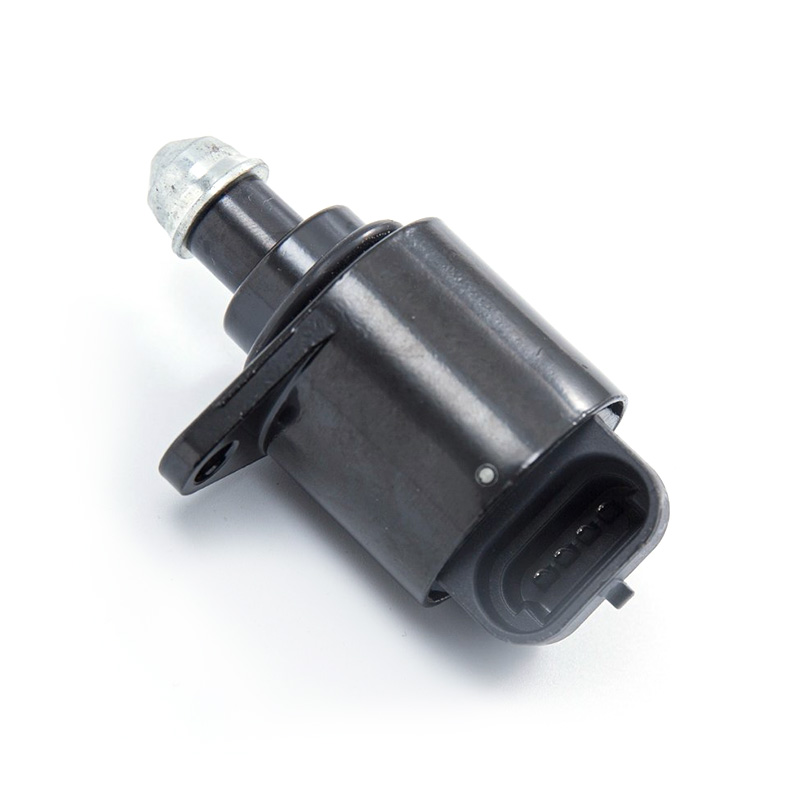
في أنظمة الخانق التي تعمل بالكابل، لا يزال المحرك بحاجة إلى كمية من الهواء يتم التحكم فيها مع إغلاق لوحة الخانق. يقوم صمام التحكم في الهواء الخامل بإدارة تدفق الهواء الالتفافي تحت قيادة وحدة التحكم الإلكترونية. اعتمادًا على التصميم، يمكن لصمام IAC استخدام آلية الملف اللولبي أو المحرك السائر لتغيير مسار تدفق الهواء.
تحدد بعض أنظمة الخدمة موضع IAC باستخدام عدد الخطوات بدلاً من القياس البسيط المفتوح/المغلق. يحدد مثال منشور لإدارة المحرك نطاقًا عاديًا دافئًا خاملًا يتراوح من 20 إلى 40 خطوة تقريبًا، مما يوضح كيف يمكن أن يصبح موضع الصمام معلمة تحكم قابلة للقياس. تظل المواصفات الفعلية معتمدة على السيارة.
| مكون | الدور الأساسي | اتصال مع التحكم في المحرك |
| TPS | يكتشف موضع الخانق | يوفر بيانات زاوية الخانق إلى وحدة التحكم الإلكترونية |
| مستشعر الخريطة | يقيس ضغط مشعب السحب | يساعد على حساب حمل المحرك |
| جهاز استشعار العلاج بالصدمات الكهربائية | يقيس درجة حرارة سائل التبريد | يدعم استراتيجيات التحكم المتعلقة بدرجة الحرارة |
| مستشعر سي كيه بي | يكتشف موضع العمود المرفقي وسرعته | يدعم حسابات الإشعال والحقن والسرعة |
| صمام IAC | ينظم الهواء الالتفافي | يتلقى الأوامر من وحدة التحكم الإلكترونية/ECM |
يشرح هذا الترتيب لماذا لا يثبت العرض المرتبط بمكون واحد تلقائيًا أن المكون معيب. تقوم وحدة التحكم بتقييم إشارات متعددة قبل التحكم في المشغل. تصف مراجع إدارة المحرك أجهزة الاستشعار كمصادر للمعلومات والمشغلات كأجهزة تنفذ أوامر وحدة التحكم.
مختلفة مكونات محرك السيارة يمكن أن تبدو متطابقة تقريبًا مع وجود خصائص كهربائية مختلفة أو أبعاد تركيب أو سلوك تحكم مختلف. على سبيل المثال، قد يستخدم صمام IAC شكل محوري معين، أو ترتيب زنبركي، أو تكوين محرك متدرج. وبالتالي فإن التوافق مع جسم الخانق واستراتيجية وحدة التحكم الإلكترونية أمر يتجاوز اللياقة البدنية.
إن التعقيد المتزايد لإلكترونيات المحرك يغير الطريق مكونات محرك السيارة يجب أن ينظر إليها. قد يكون لصمام TPS أو IAC أو مستشعر MAP أو مستشعر العمود المرفقي وظيفة فيزيائية مميزة، إلا أن قيمته تعتمد جزئيًا على كيفية تواصله مع بقية نظام التحكم.
يعد منظور النظام هذا ذا أهمية خاصة لقطع الغيار وتطبيقات ما بعد البيع والمكونات المكافئة لتصنيع المعدات الأصلية. بدلاً من تقييم أحد المكونات من خلال المظهر فقط، يمكن للمشترين والفنيين النظر في خصائص الإشارة وتصميم المشغل وتوافق وحدة التحكم الإلكترونية وتطبيق المحرك المقصود. يوفر هذا الأسلوب صورة أوضح لكيفية مساهمة الأجزاء الفردية في بنية التحكم الكاملة في المحرك.
المنتجات ذات الصلة
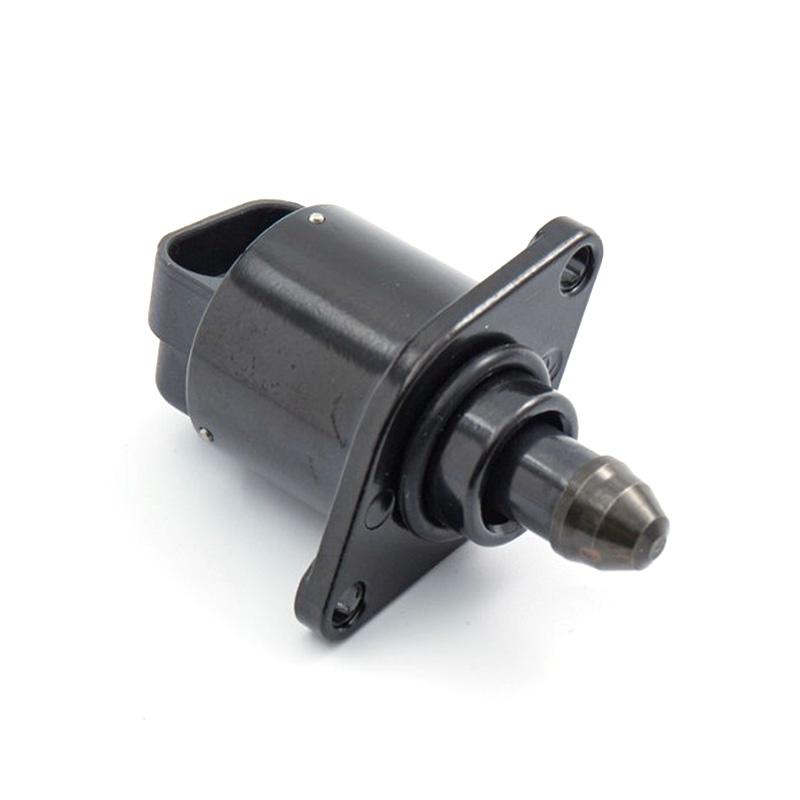
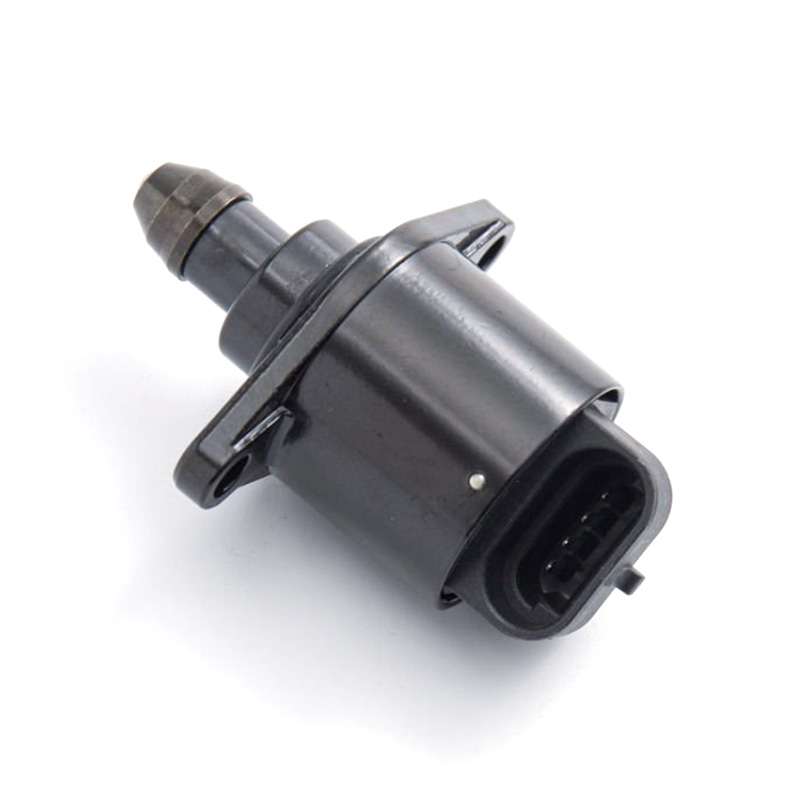
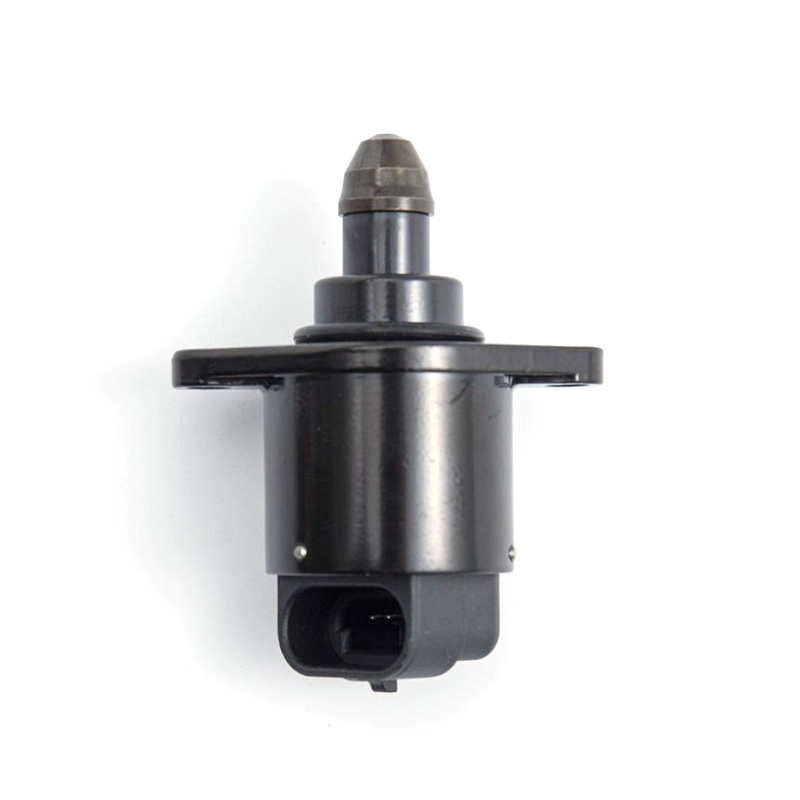
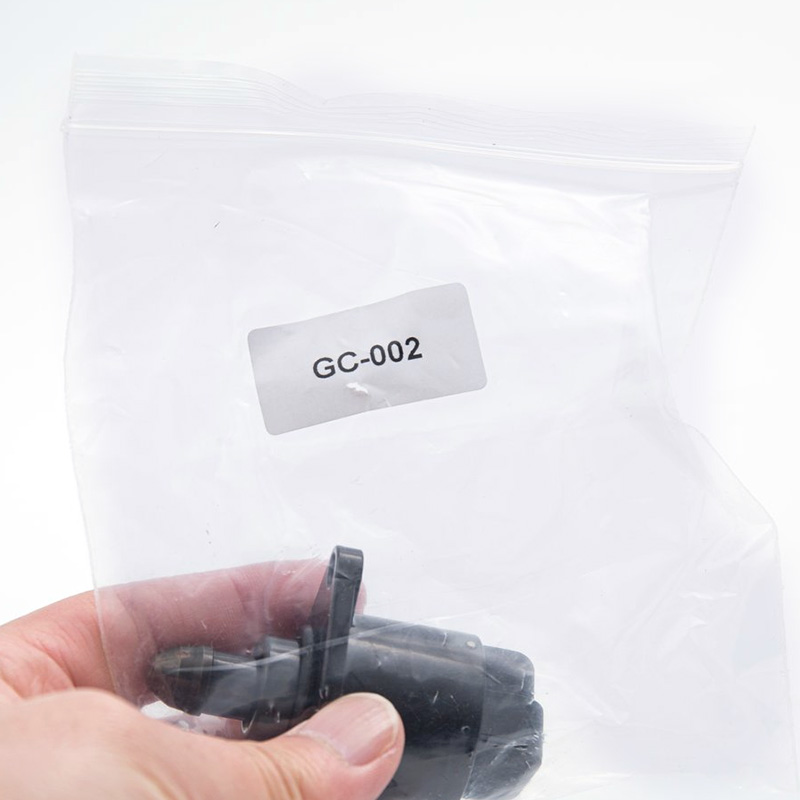
GC-002
مرجع عمر الفاروق:
الرمز القصير: B95/00
بيجو: 1920X9 C95197
التطبيق:
بيجو 306 بريك/كابريوليه/شراقهيك؛ بيجو 405 II بريك؛ بيجو 406 بريك/كوبيه؛
بيجو 605 806؛ بيجو بوكسر باص/كاستن/بريتش/Fahrqestell
المصنع الصيني الأصلي لصمام التحكم في الهواء الخامل وأنواع مختلفة من أجهزة الاستشعار بجودة عالية وأسعار تنافسية!
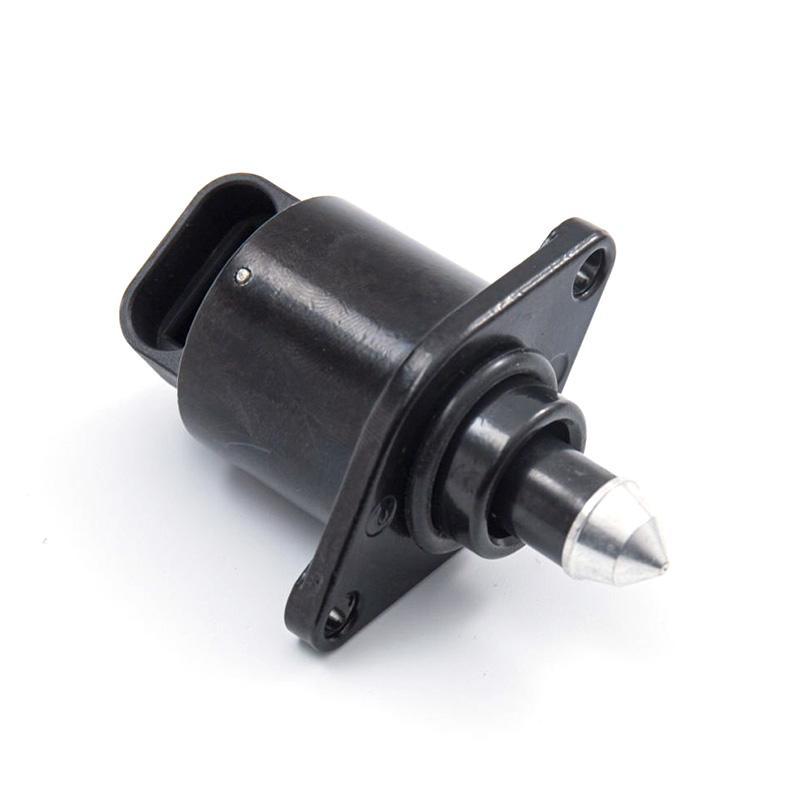
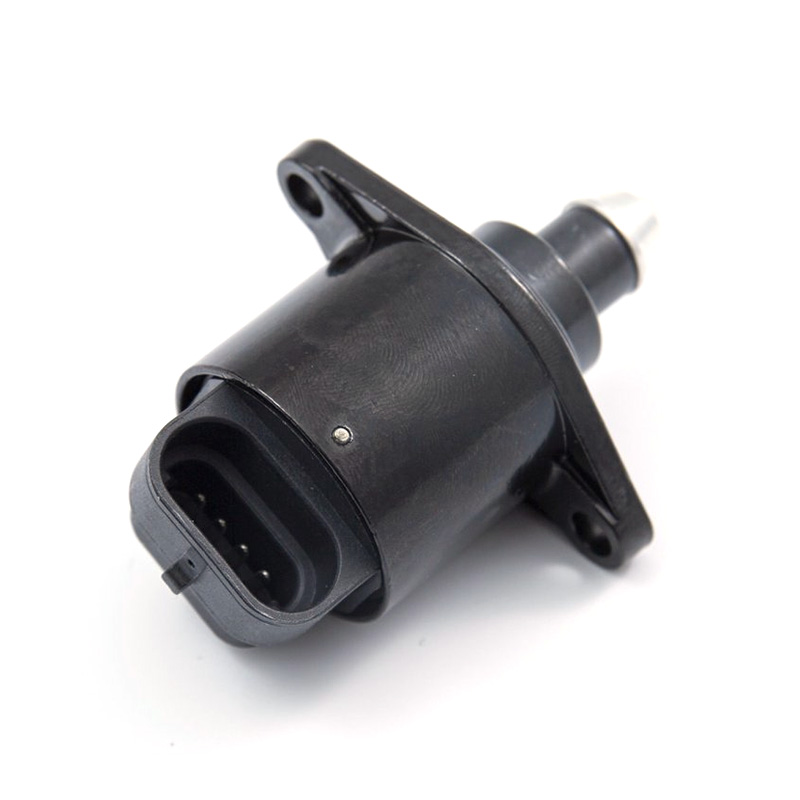
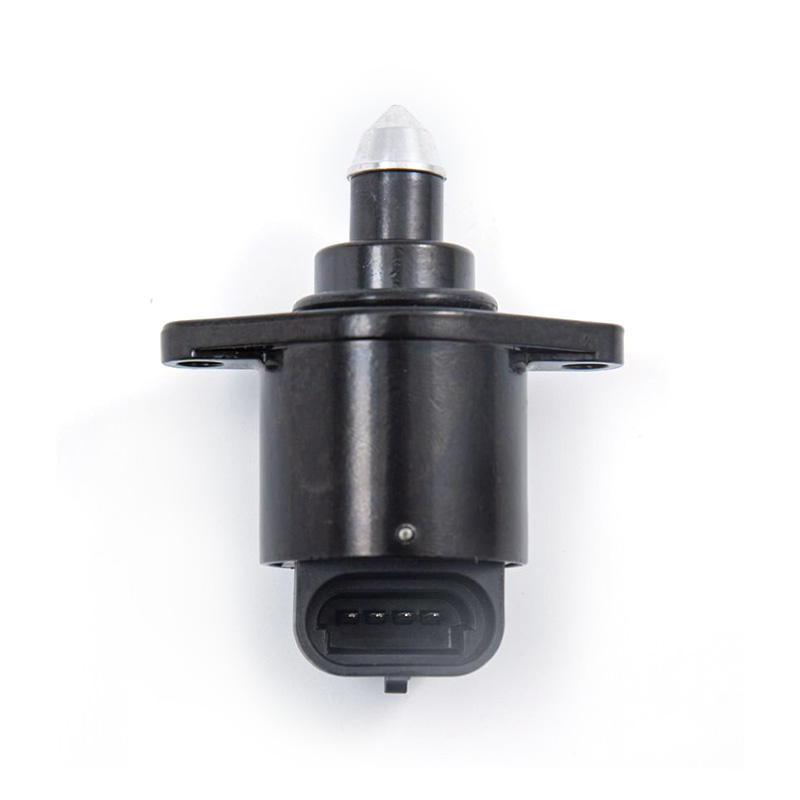
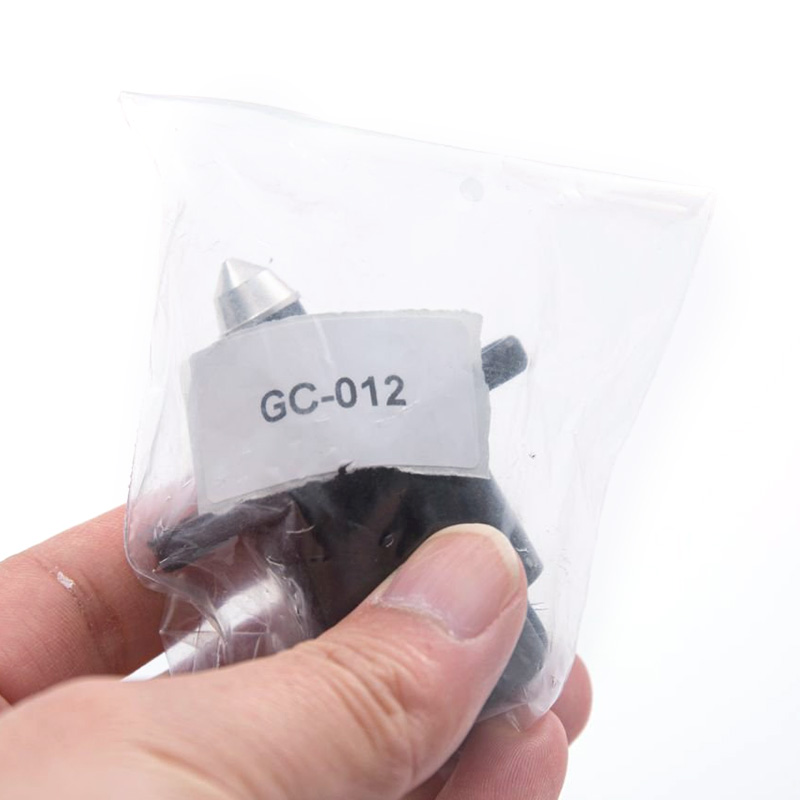
GC-012
المرجع عمر الفاروق:
ختم ساخن:D5174
رينو:7701047909
التطبيق:
رينو ميجان كابريوليه / كلاسيك / كوتش / جراند تور ؛ رينو ميجان آي / سينيك
الصين قطع غيار السيارات بالجملة، صمام التحكم في الهواء الخامل ذات جودة عالية وبأسعار تنافسية!
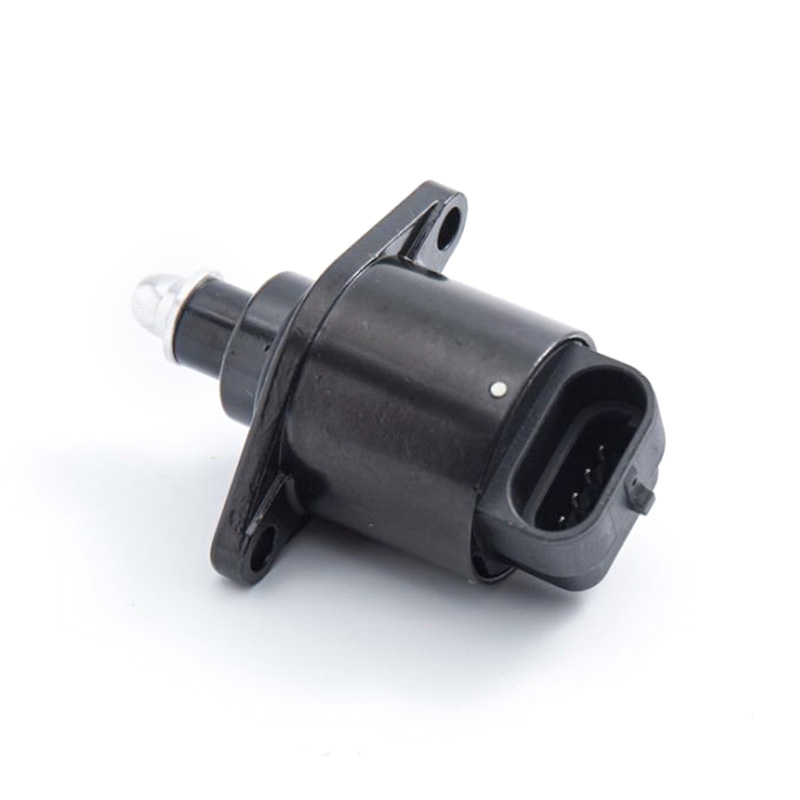
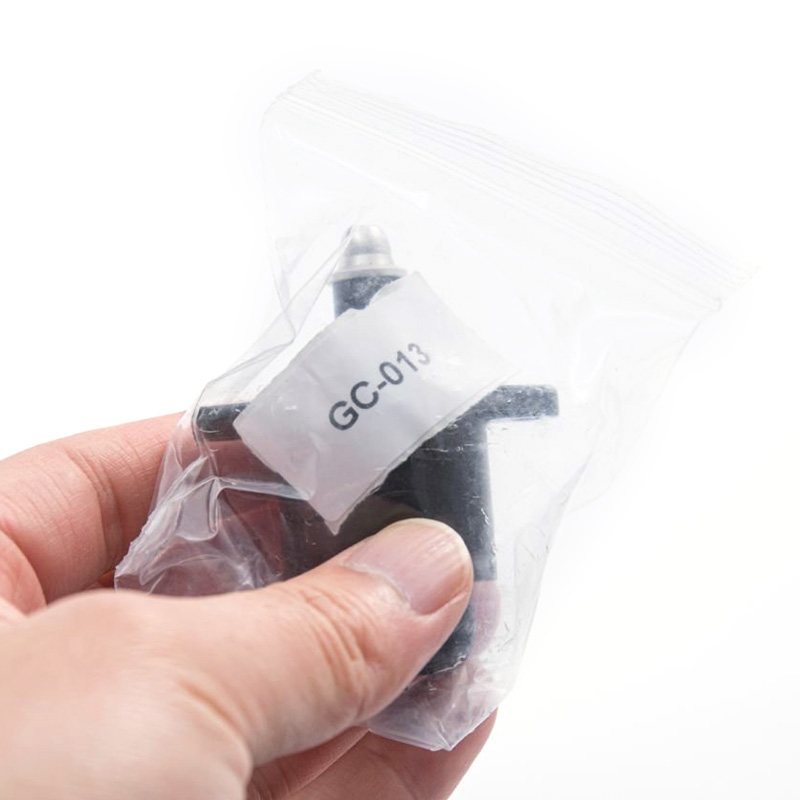
GC-013
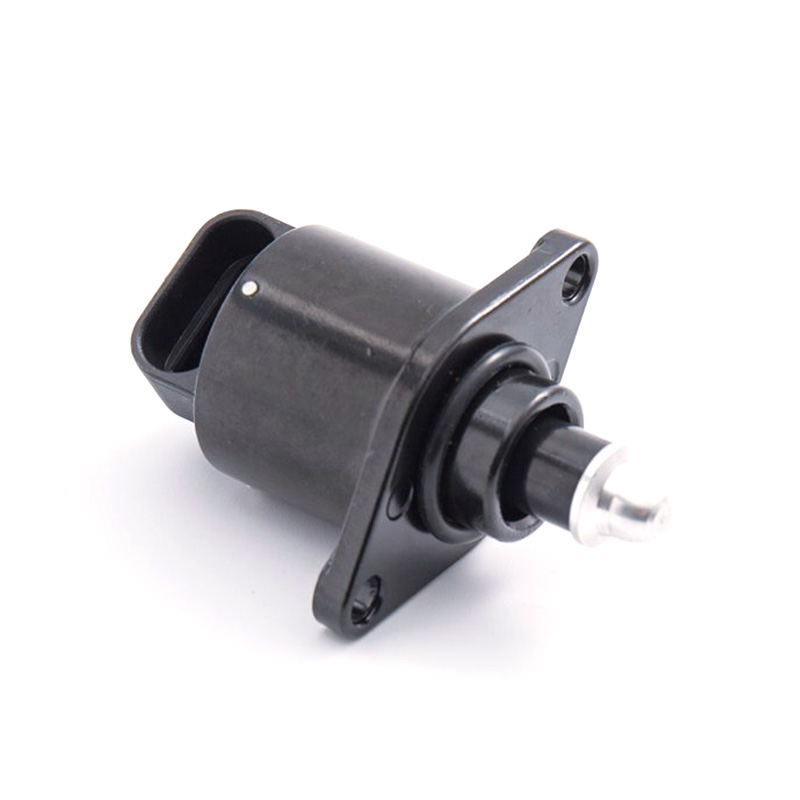
مرجع عمر الفاروق:
الرمز القصير: D5103
ماريلي: 40397102
فدو: AT-05103R
فيات: 7077213
رينو: 7702217296
التطبيق:
رينو ميجان كلاسيك/جراند تور (KA0/1_)I(BA0/1_);
رينو سينيك I(JA0/1_)1.8 16 فولت
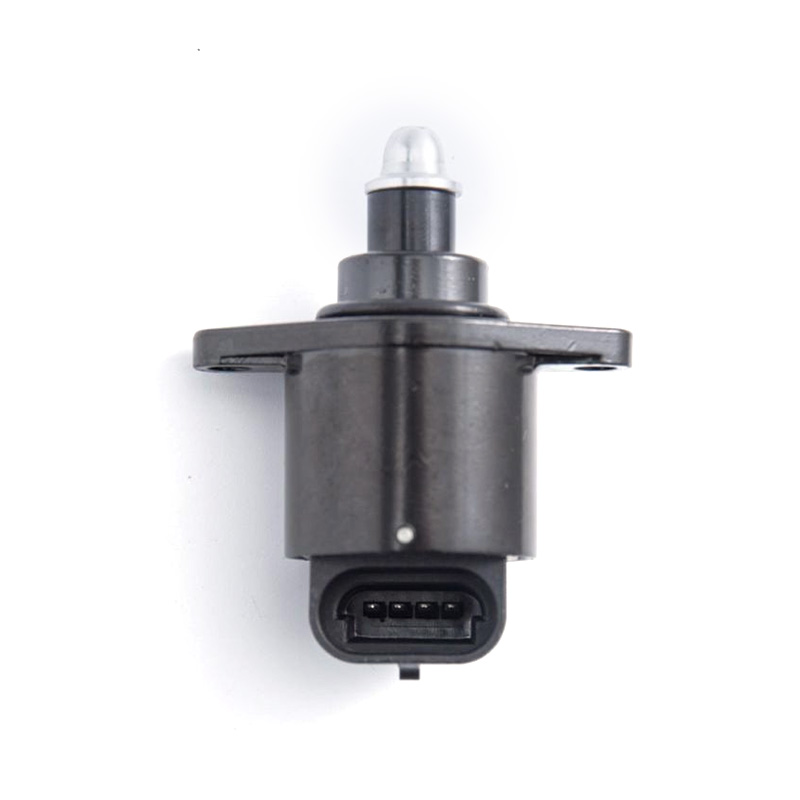
صمام التحكم في الهواء الخامل من صناعة الصين!
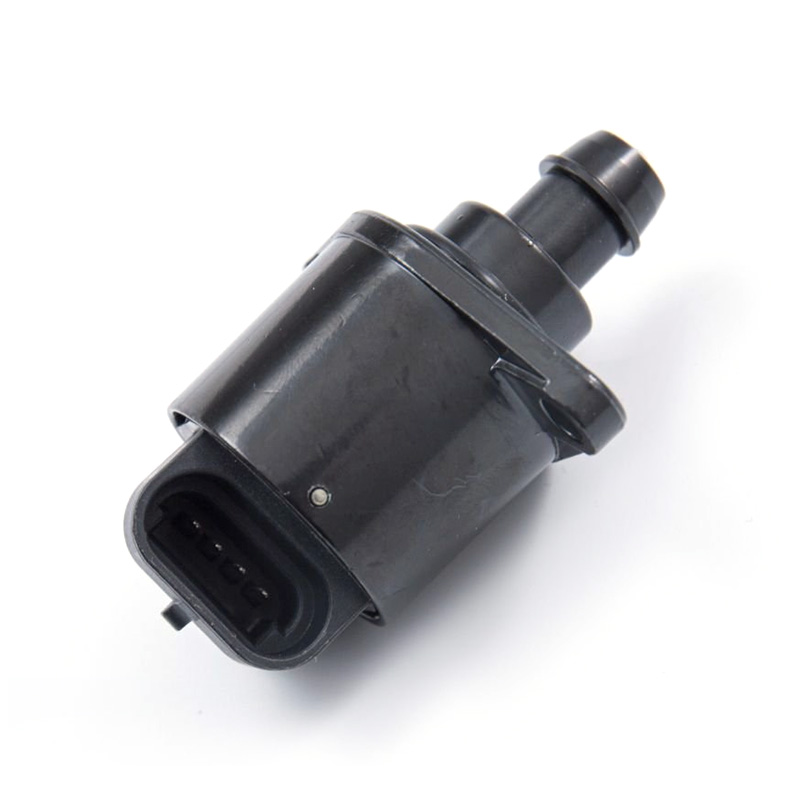
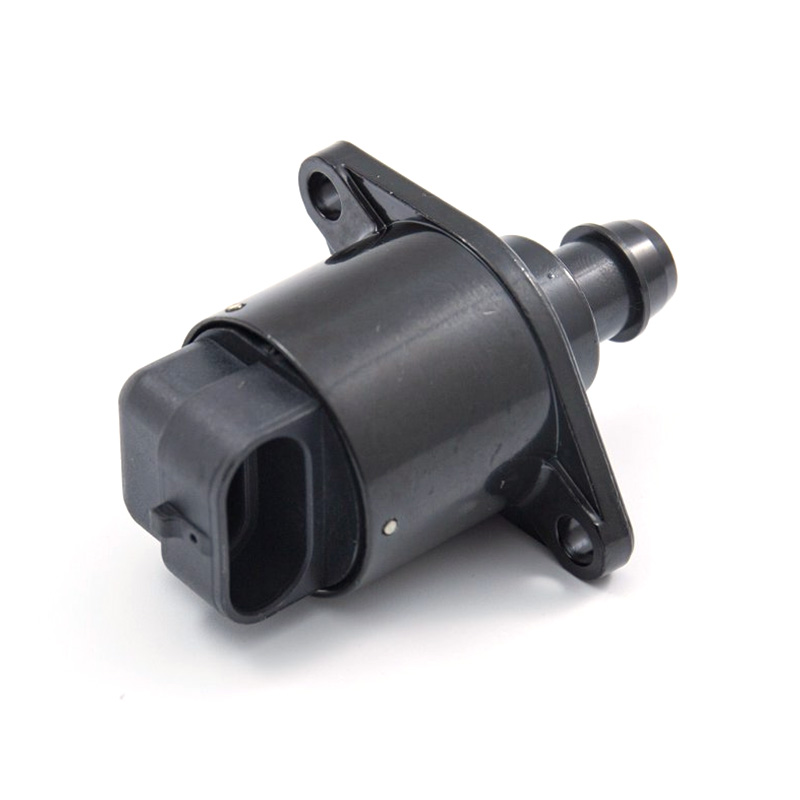
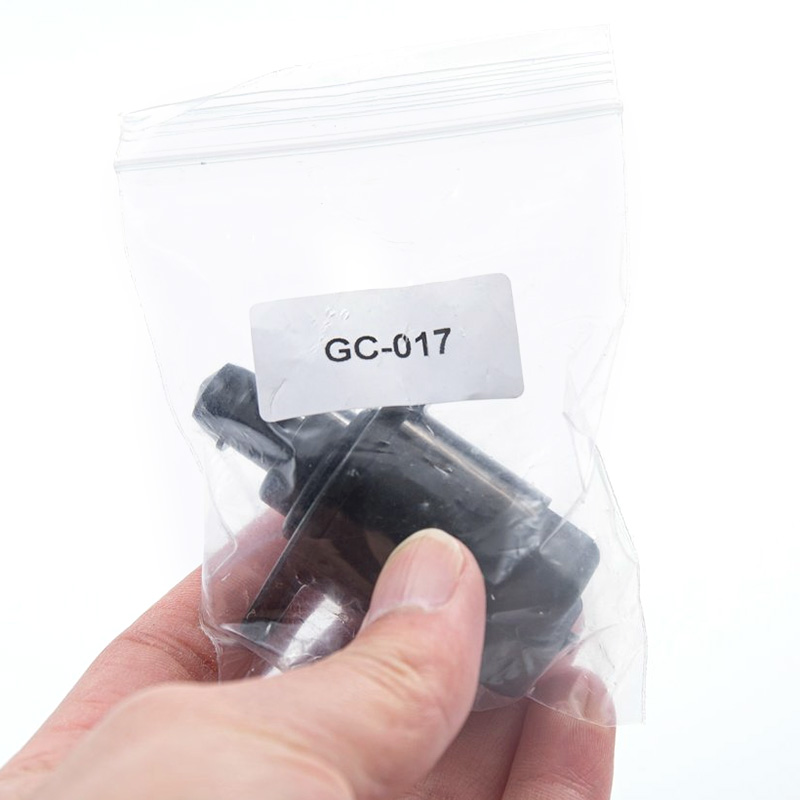
GC-017
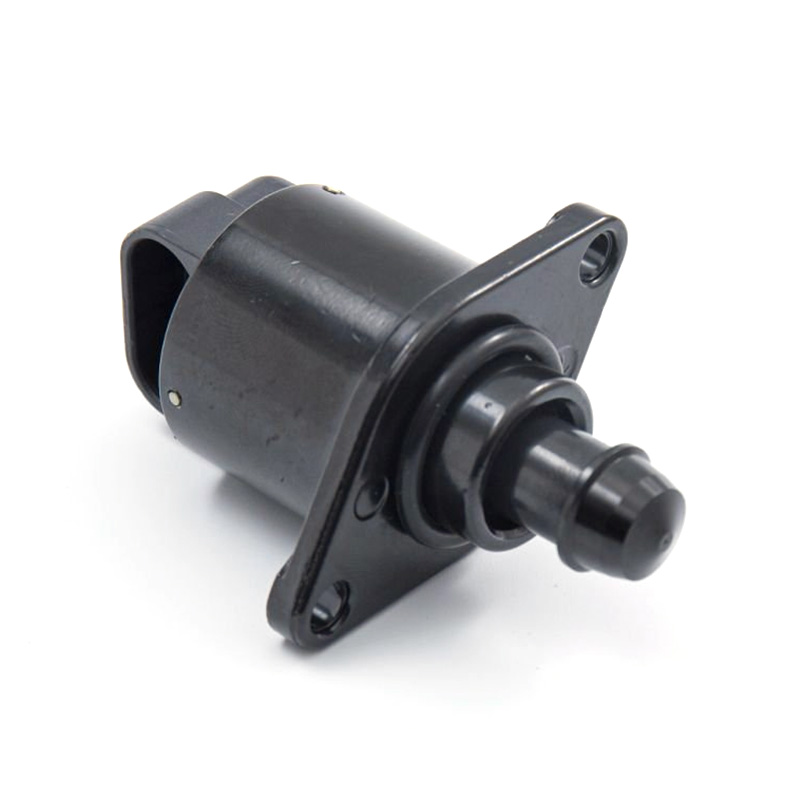
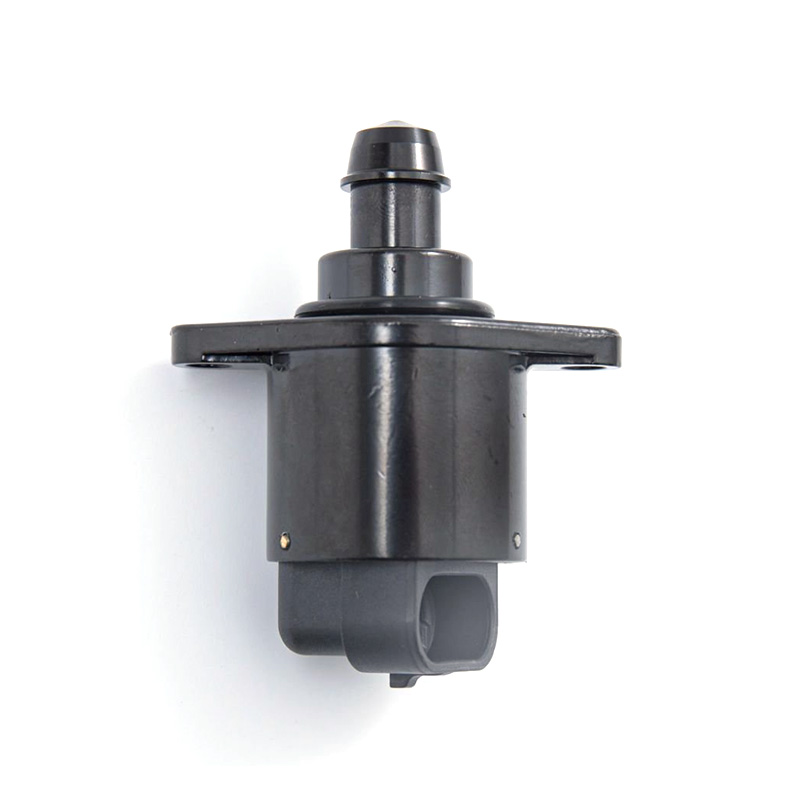
مرجع عمر الفاروق:
الرمز القصير:B28/00
رينو: 8200299241 7700102539
SIMENCE:D95166 B28/00 8200299241 7700102539 D95166
التطبيق:
أوبل فيفارو كومبي/كاستن؛
رينو أفانتايم؛
رينو كليو II/إسبيس III؛
رينو لاجونا/لاجونا 2؛
رينو ميجان كابريوليه/كلاسيك/كوتش/جراند تور؛
رينو سينيك I/II
صمام التحكم في الهواء الخامل للبيع بالجملة والتجزئة من الصين!
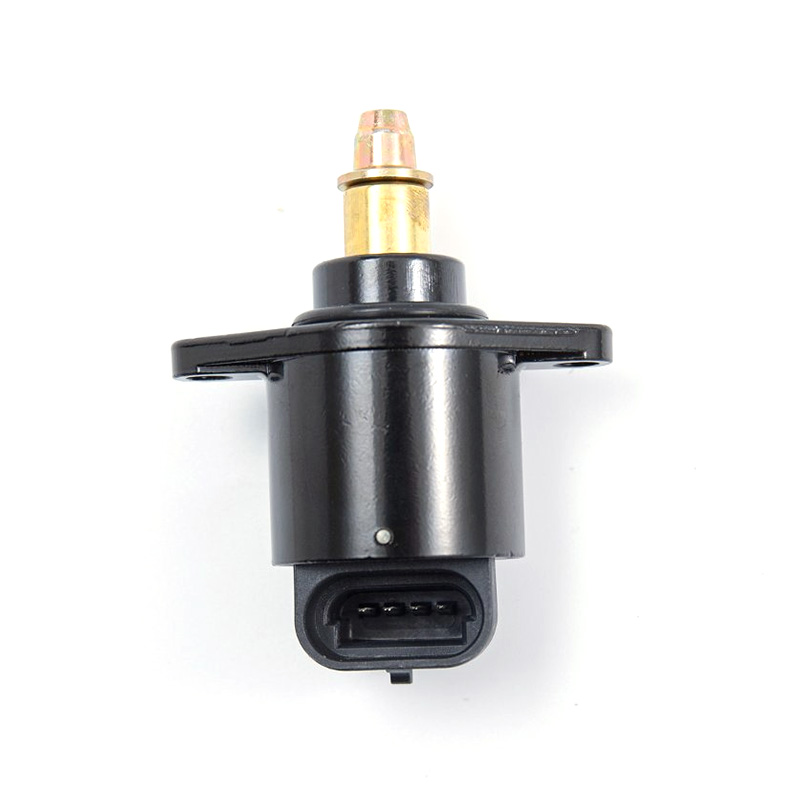
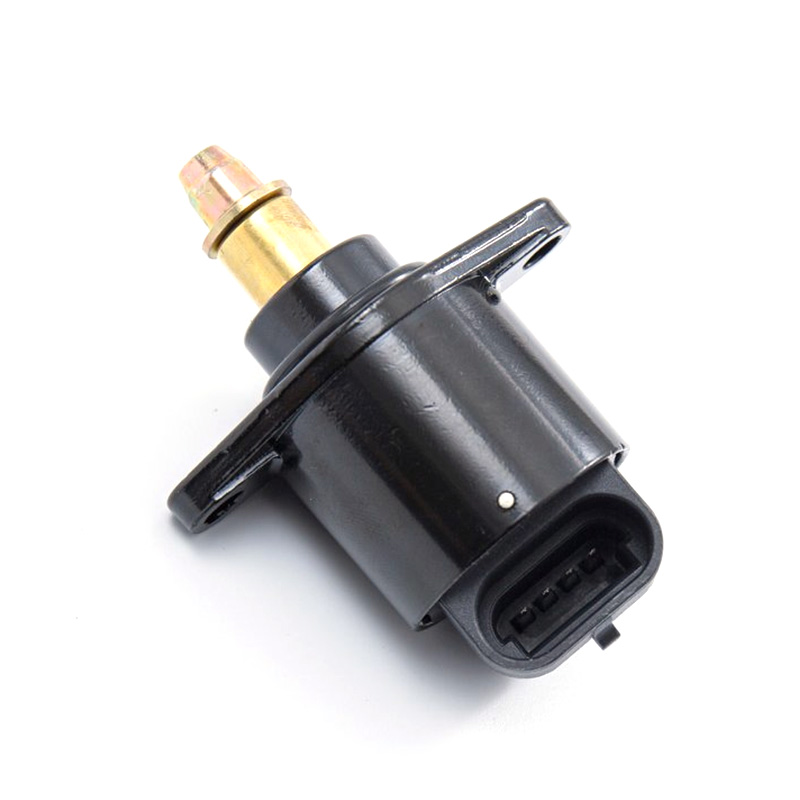
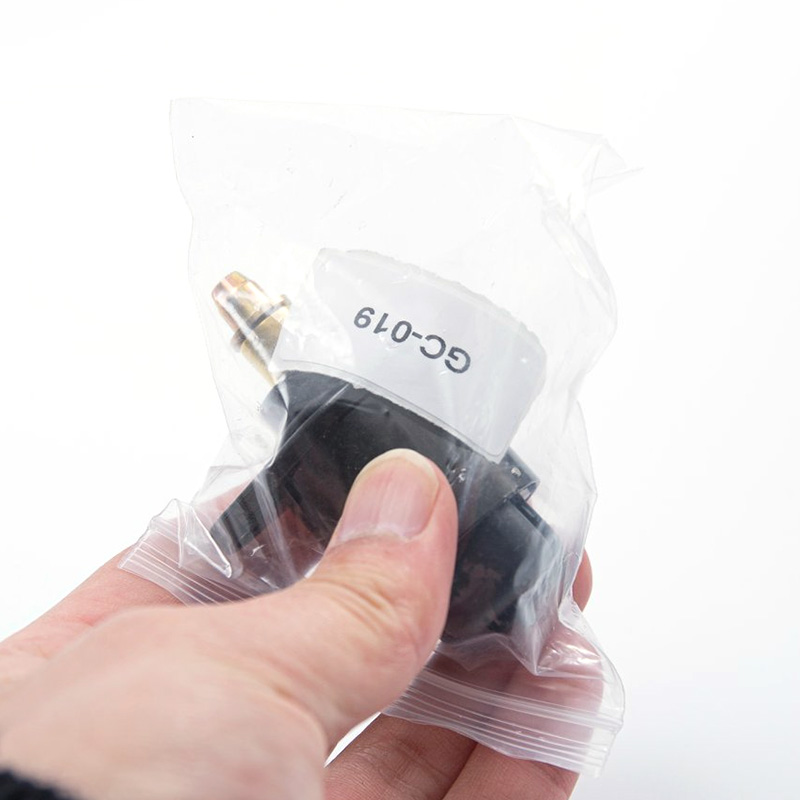
GC-019
مرجع عمر الفاروق:
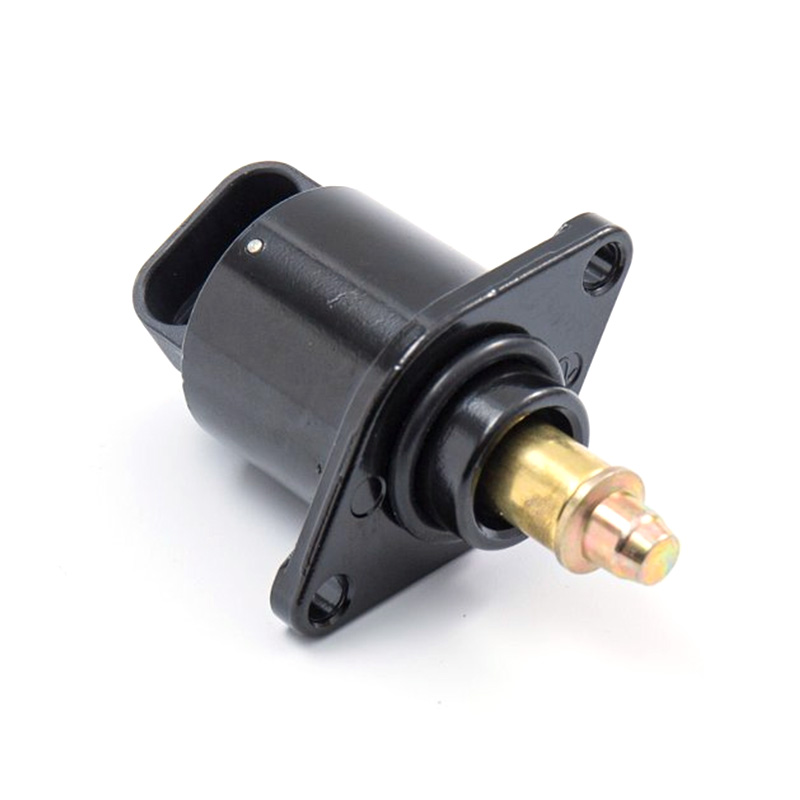
الرمز القصير: D5104
ماريلي: 40396502
فيات: 7078983 0269980492
في دي أو: AT-5104R
التطبيق:
فيات: باليو/سيينا 1.6 98>99-EFI (جازولينا) فولكس فاجن: جول 1.08v94 >>96-EFI (جازولينا)
صمام التحكم في الهواء الخامل بجودة عالية وسعر منخفض من الصين!
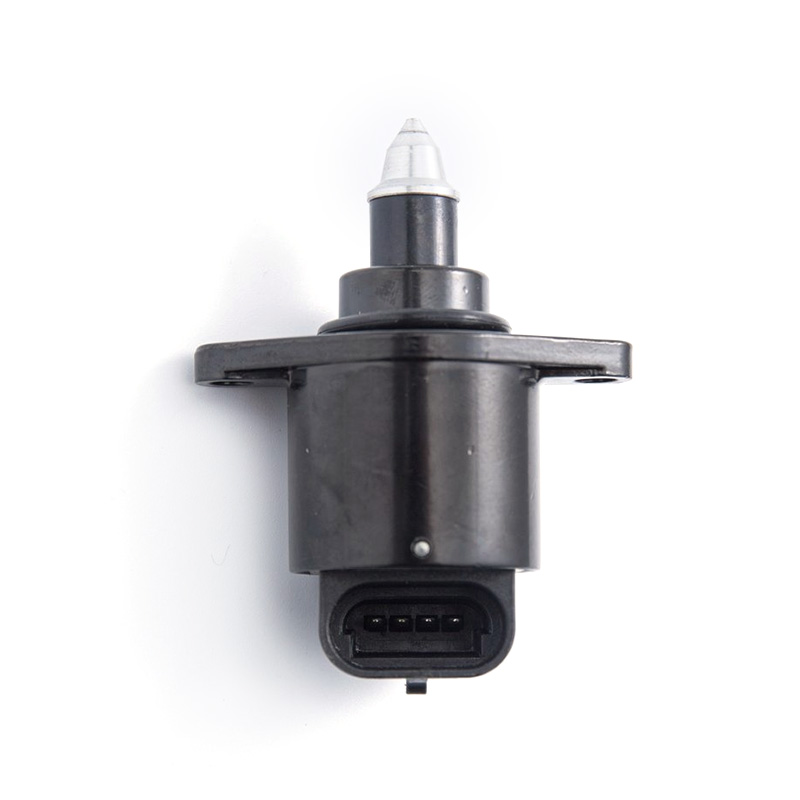
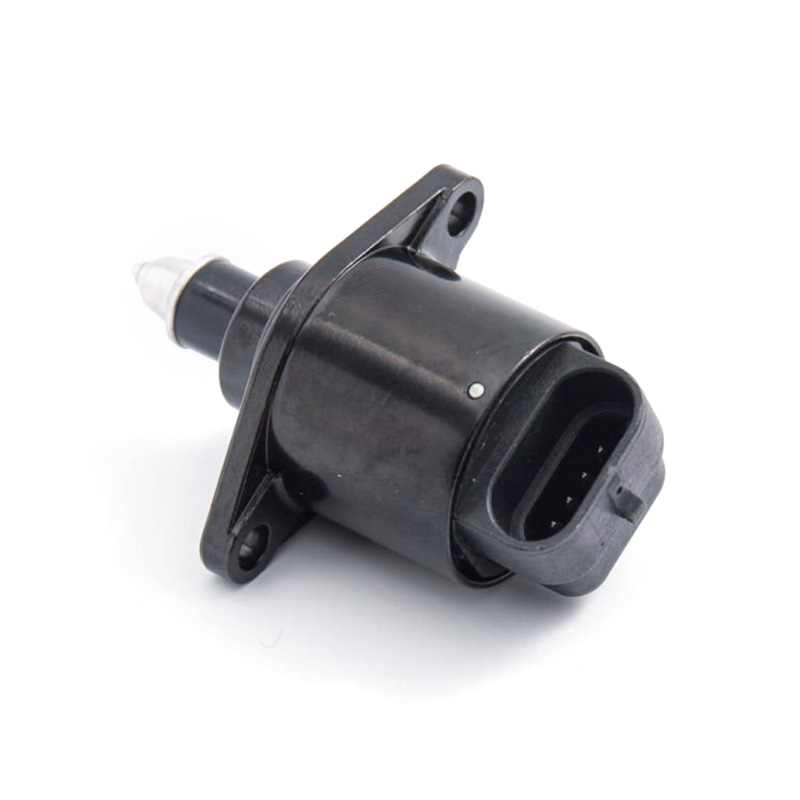
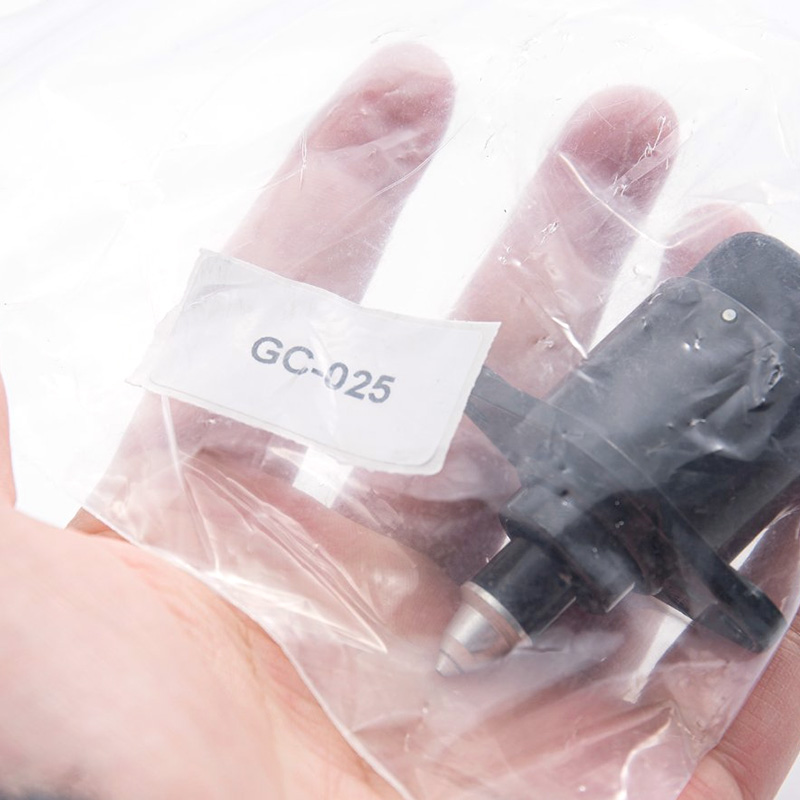
GC-025
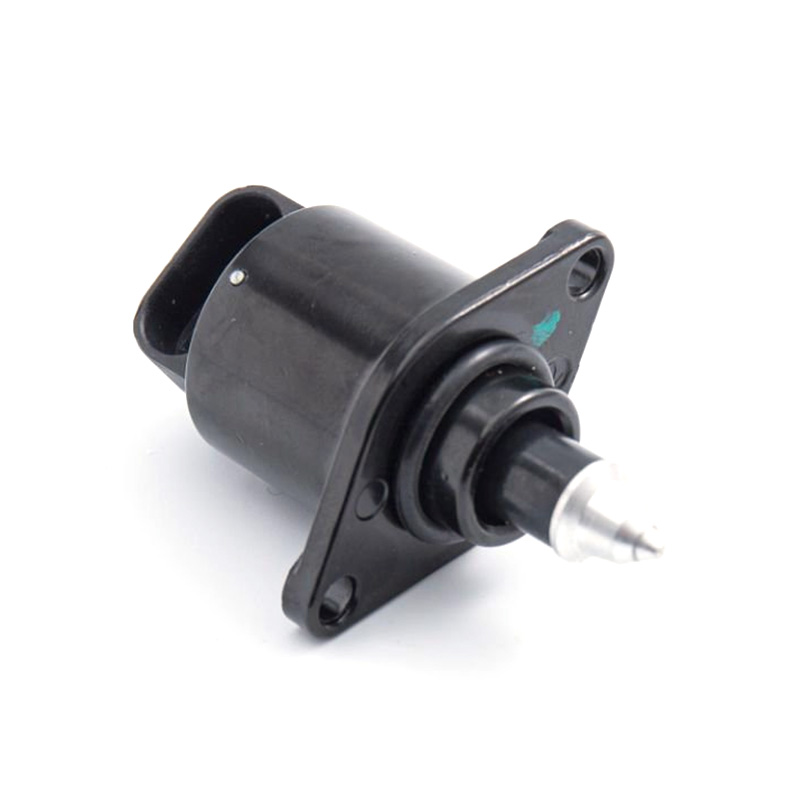
مرجع عمر الفاروق:
STD: AC495 الرمز القصير: 59602
دلفي: ICD00120
جم: 17059602
فدو: AT-59602R
الآبار: AC167؛ 93744675; 96434613; 17059602
التطبيق:
شيفر أفيو ستوفينهيك؛
دايو كالوس/لانوس/نوبيرا/نوبيرا ستوفينهيك؛
جينترا 06-07
صمام التحكم في الهواء الخامل من المصنع الصيني لسيارة شيفروليه أفيو دايو.
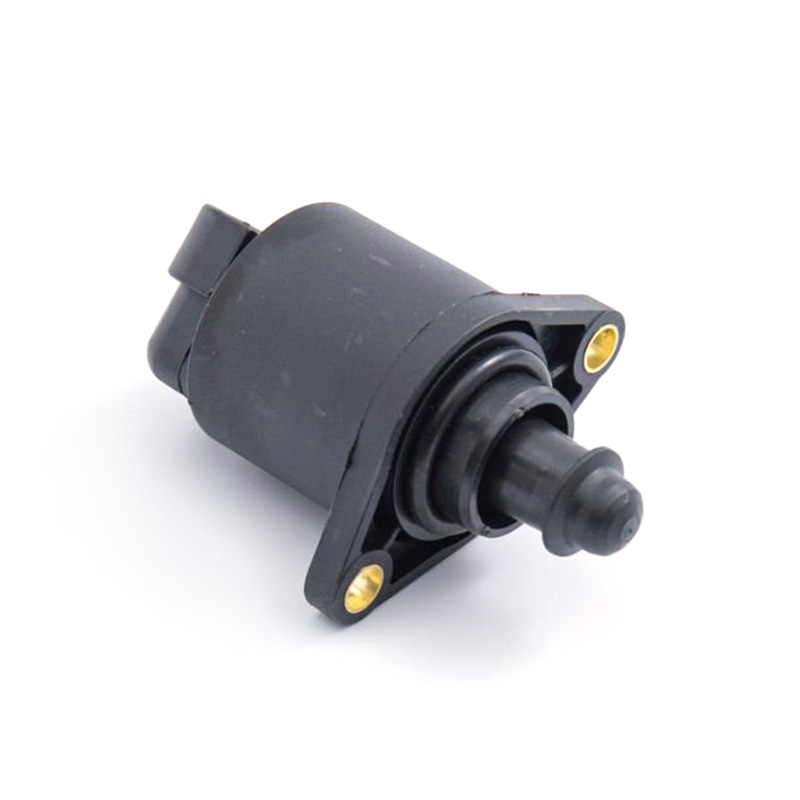
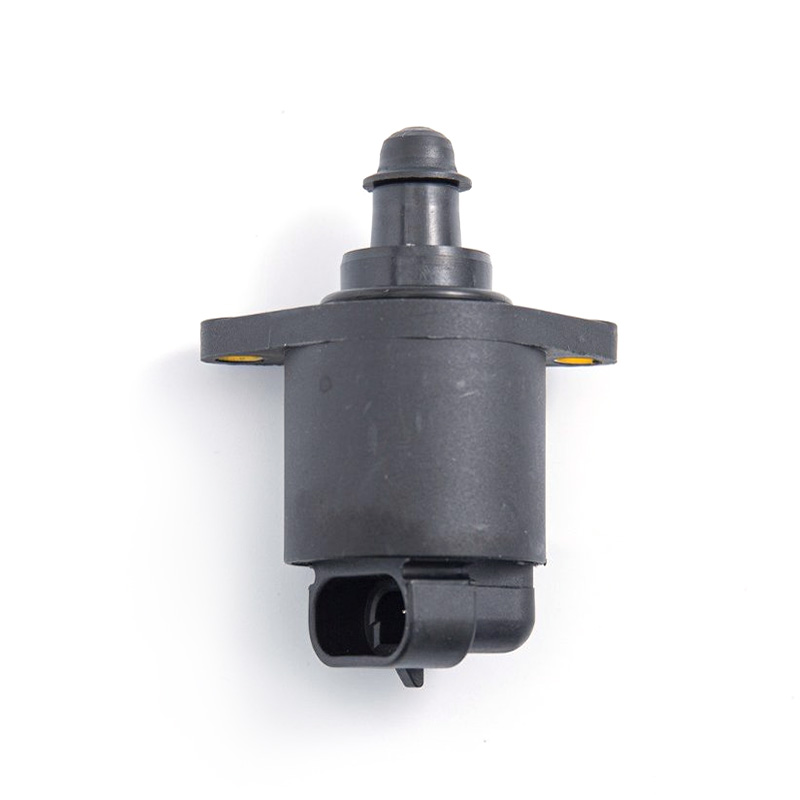
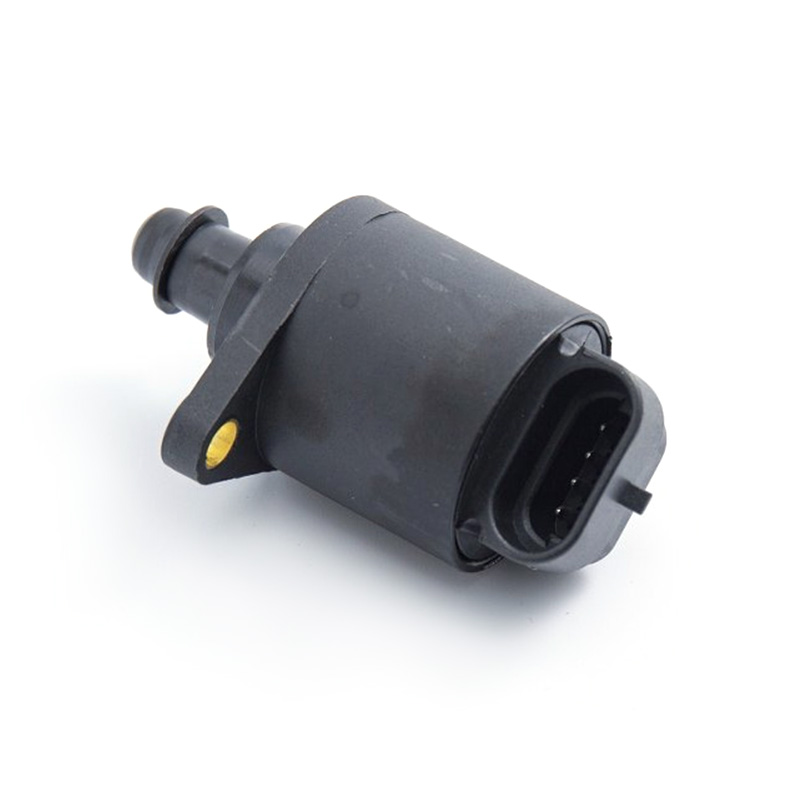
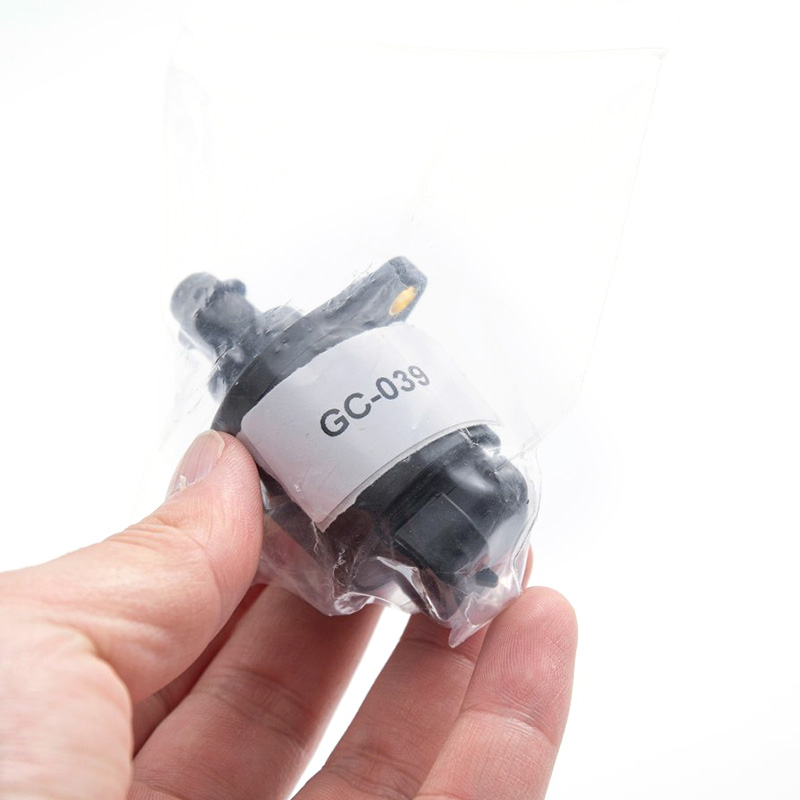
GC-039
مرجع عمر الفاروق:
ماريلي:B35/00
ماريلي:801001185201
بسا:1920هـ
التطبيق:
بيجو 206 1.1 إي بي دي
صمام التحكم في الهواء الخامل من المصنع الصيني لسيارة بيجو 206.
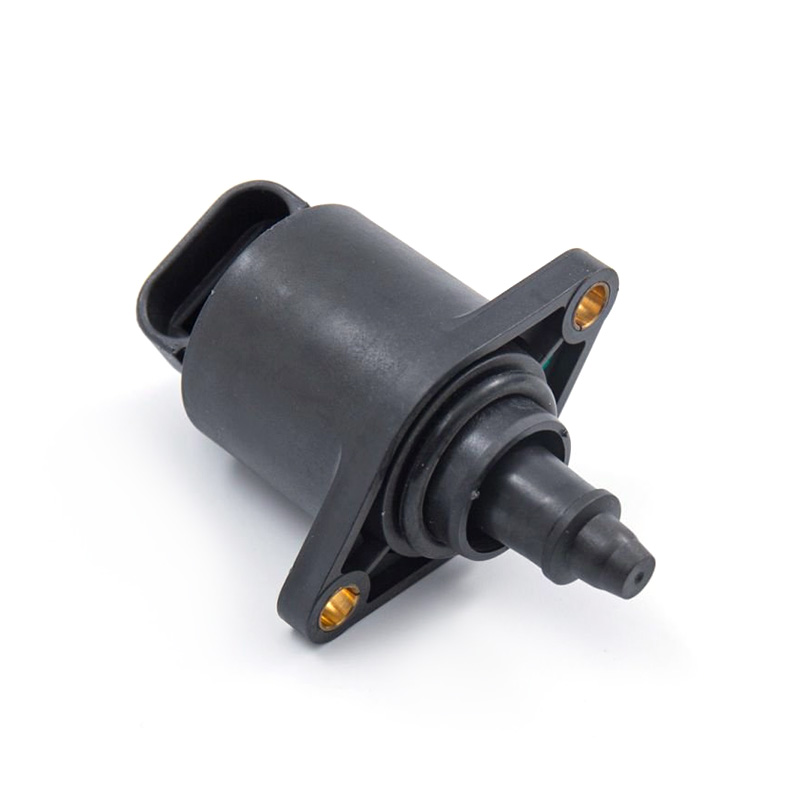
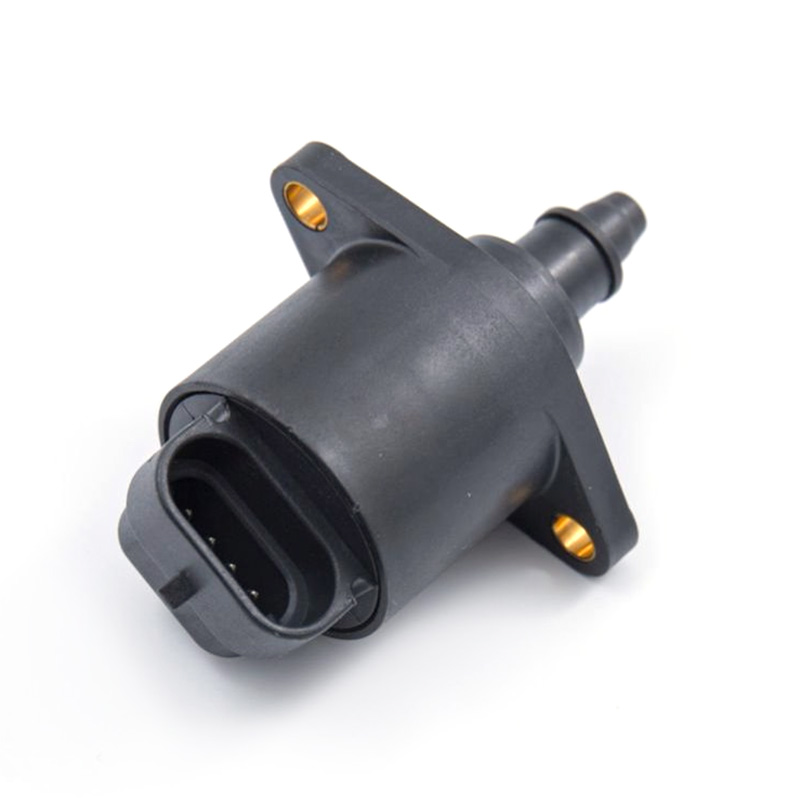
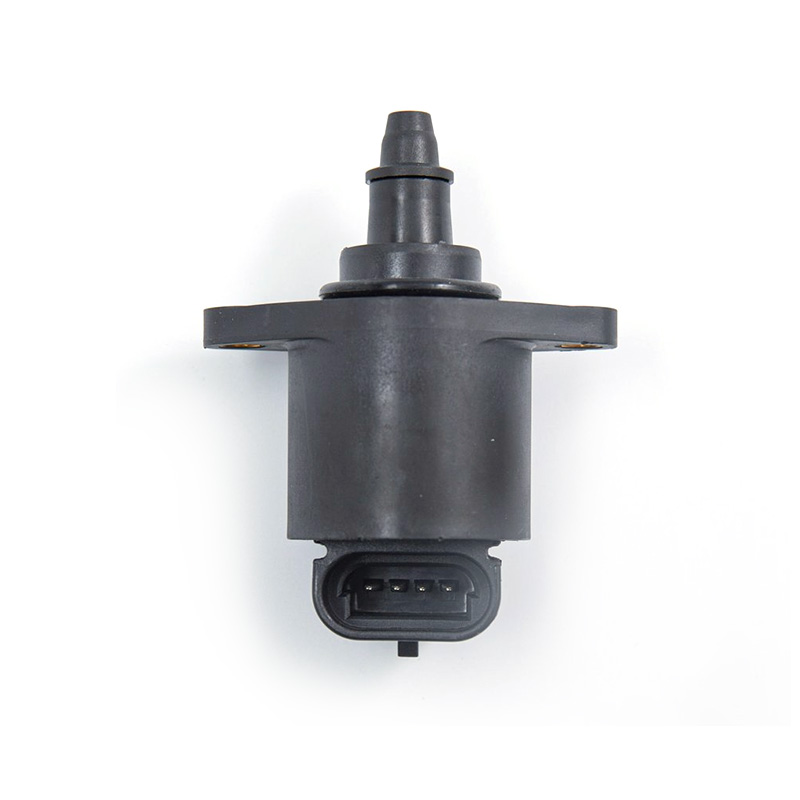
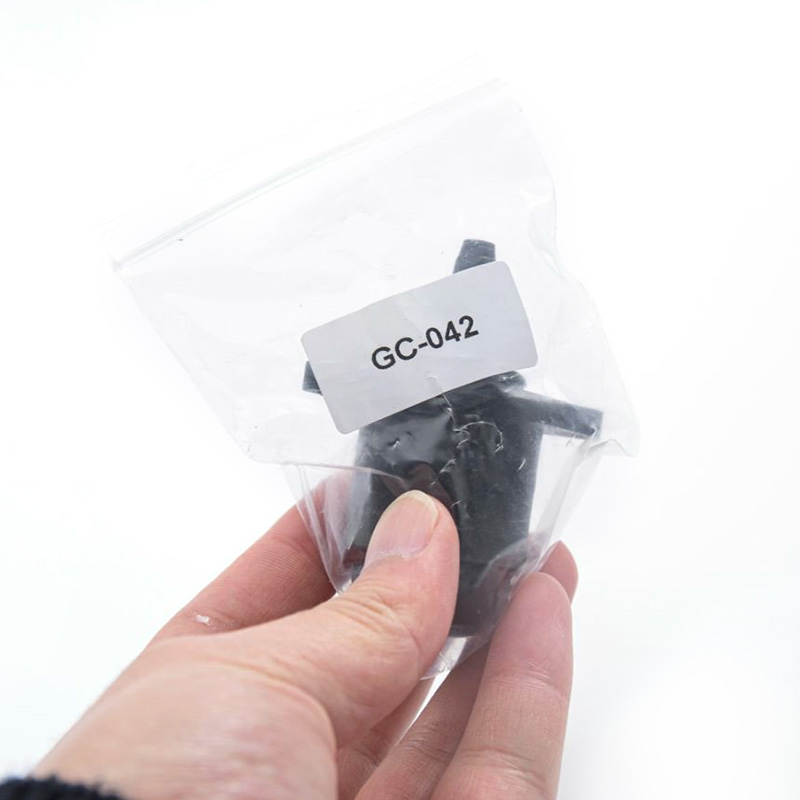
GC-042
مرجع عمر الفاروق:
الرمز القصير: D5104
فيات: 7078983 0269980492
في دي أو: AT-5104R؛
التطبيق:
باليو 99->1.6SPI/سيينا 99->1.6SPI/سترادا 99->1.6SPI/GOL99->1.0SPI
صمام التحكم في الهواء الخامل من المصنع الصيني لشركة فيات باليو.
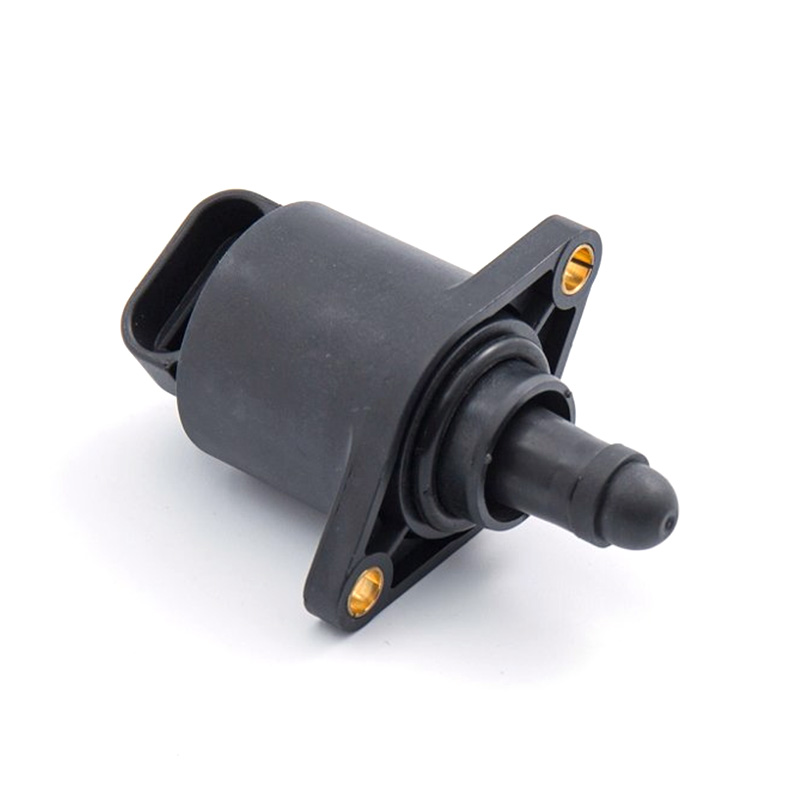
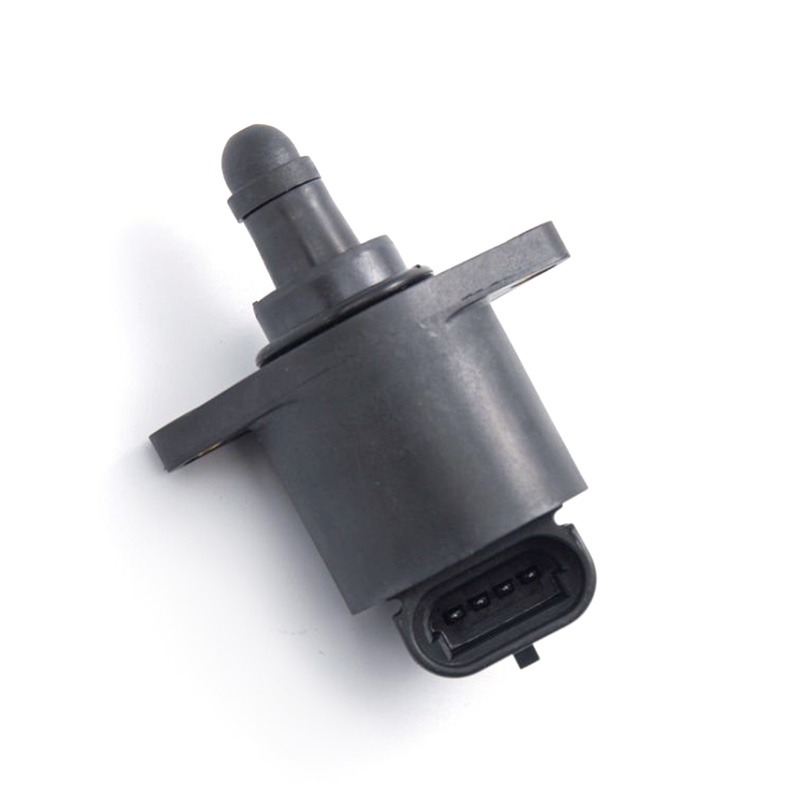
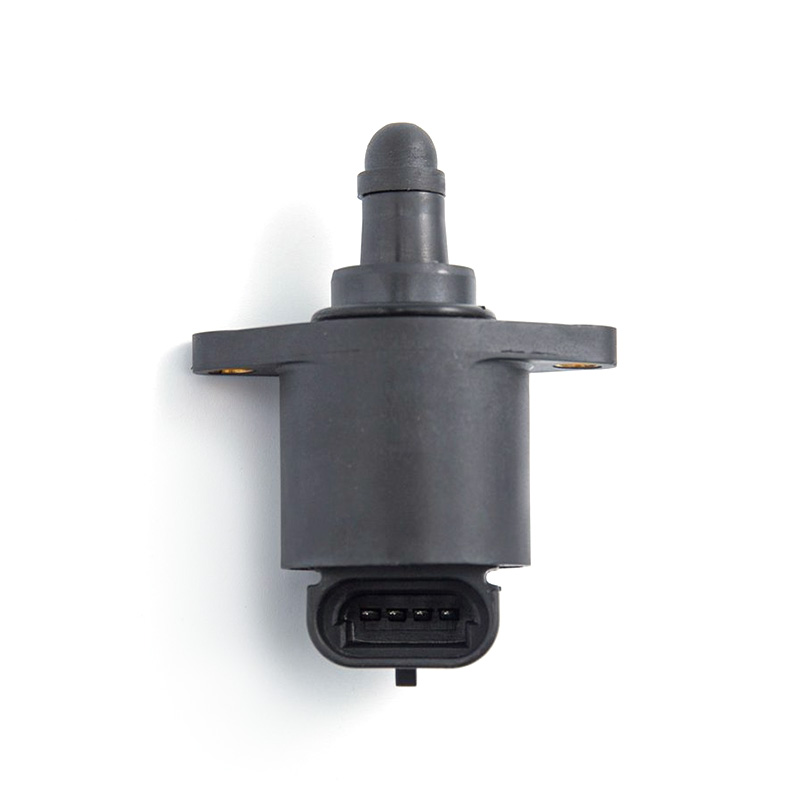
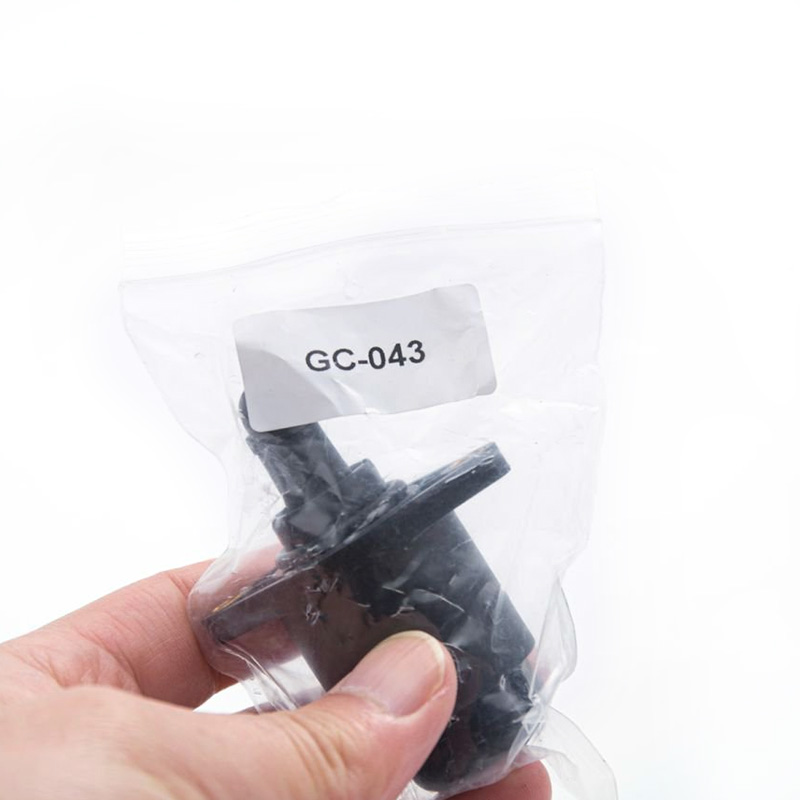
GC-043
مرجع عمر الفاروق:
الرمز القصير: B12/00
ماريلي:21924470500
تصنيع المعدات الأصلية: 9945035
التطبيق:
فيات باندا(141A_)1000; بونتو(176)55 1.1; أونو (146A/E) 45 أي 1.0؛ لانسي Y10(156)1.0 نار (156e) كات
صمام التحكم في الهواء الخامل من المصنع الصيني لشركة فيات بونتو.
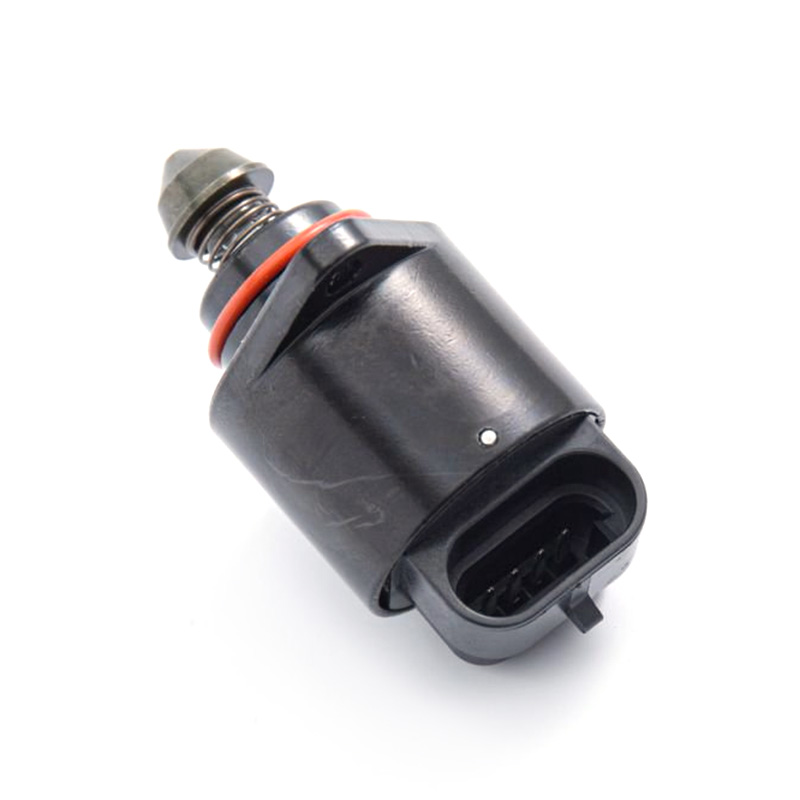
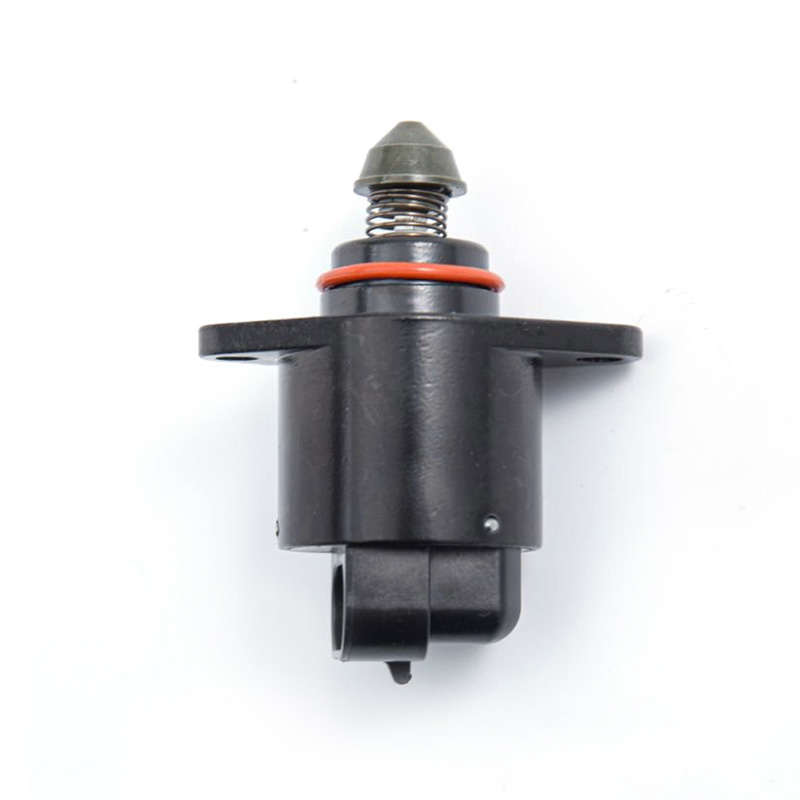
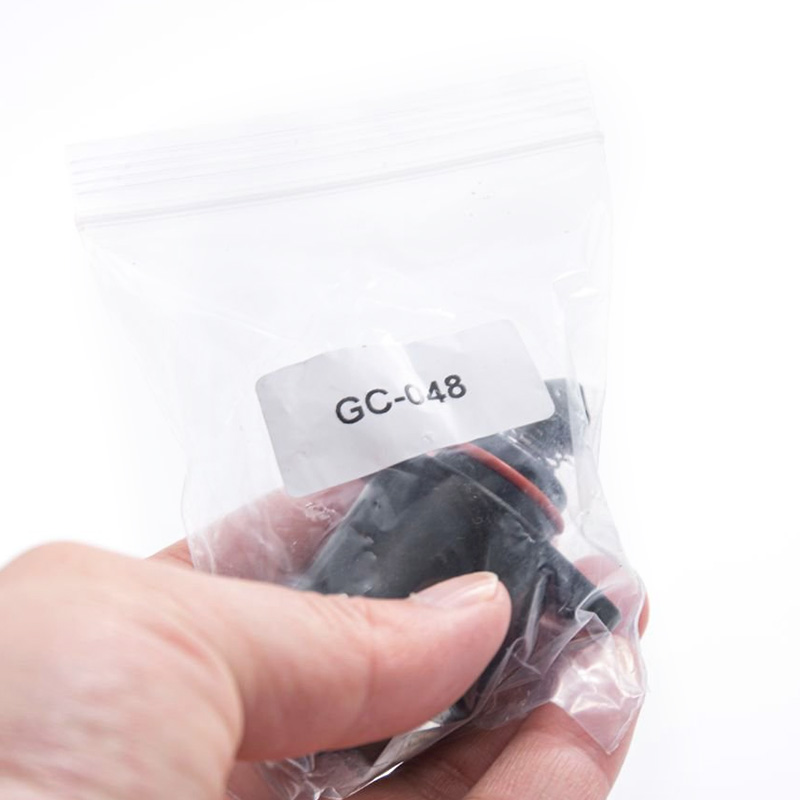
GC-048
مرجع عمر الفاروق:
الكود القصير: 02851
جم: 17102851
جم: 17112966
جم: 17112967
فدو: A95267
SMW299933
بويك: D0016، C2177
2151025، AC124، AC130
217428,2H1058
التطبيق:
ديليكا فان
صمام التحكم في الهواء الخامل من المصنع الصيني لشركة Delica Van.
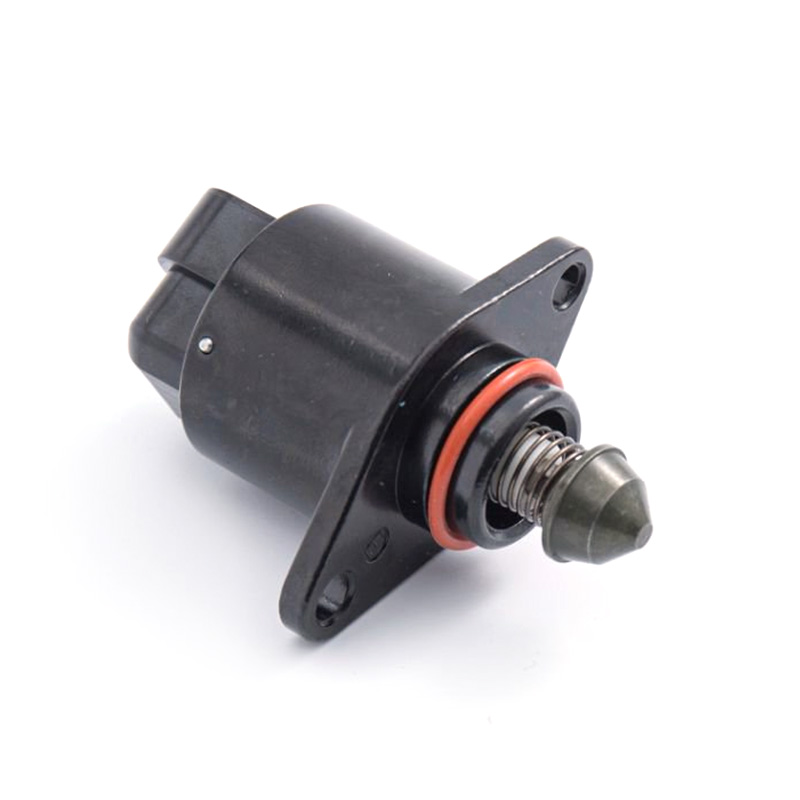
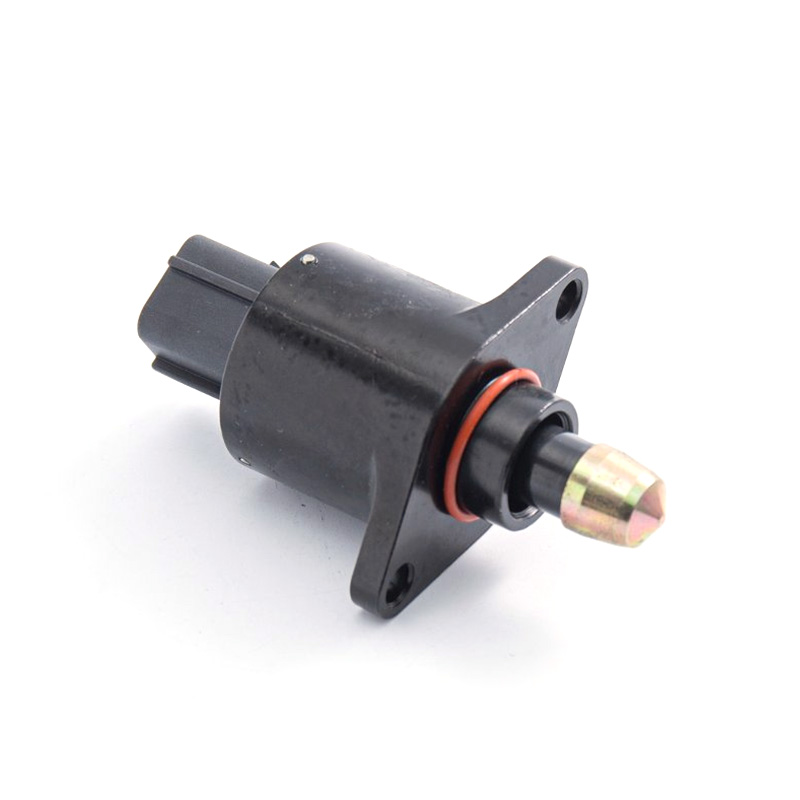
GC-049
مرجع عمر الفاروق:
MDQ100040
التطبيق:
روفر
صمام التحكم في الهواء الخامل من المصنع الصيني لـ Rover.
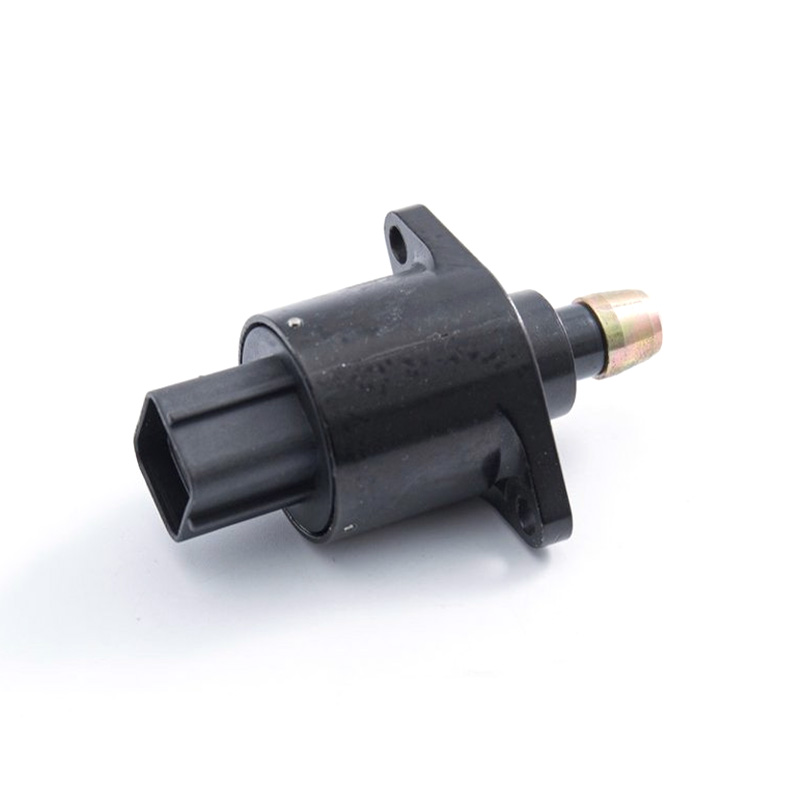
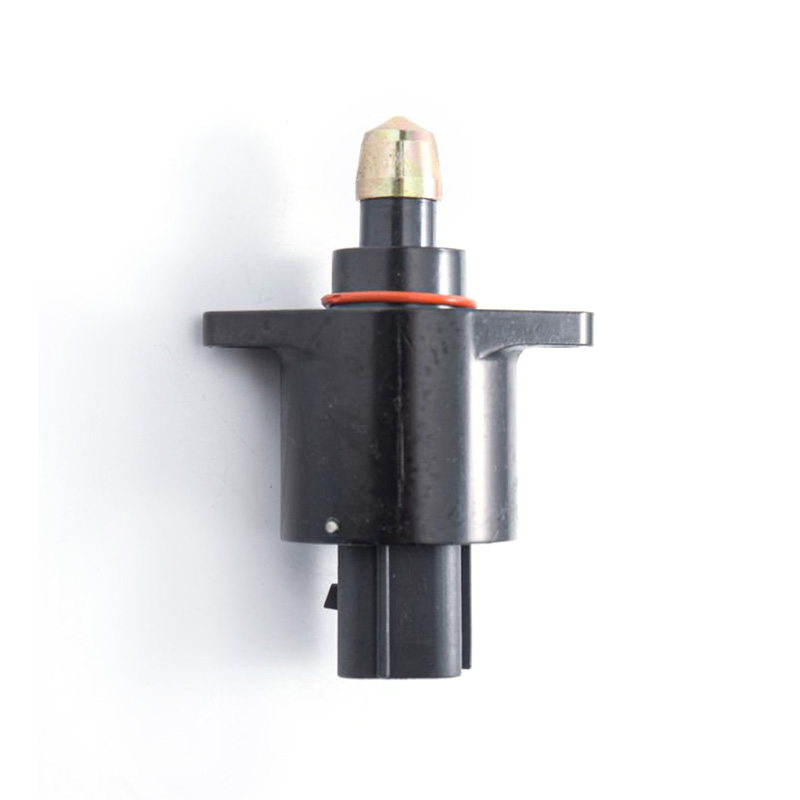
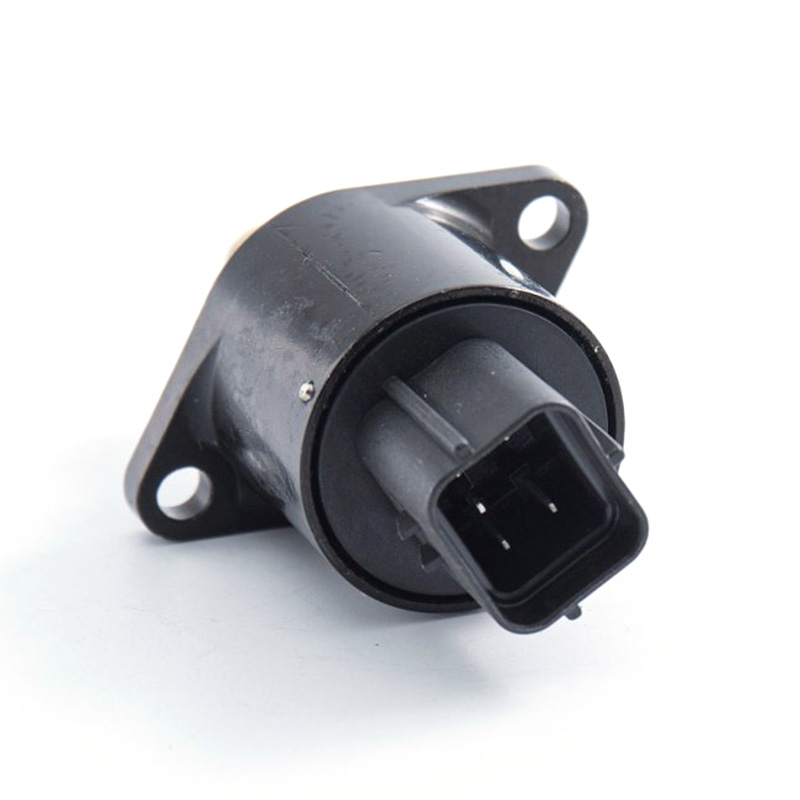
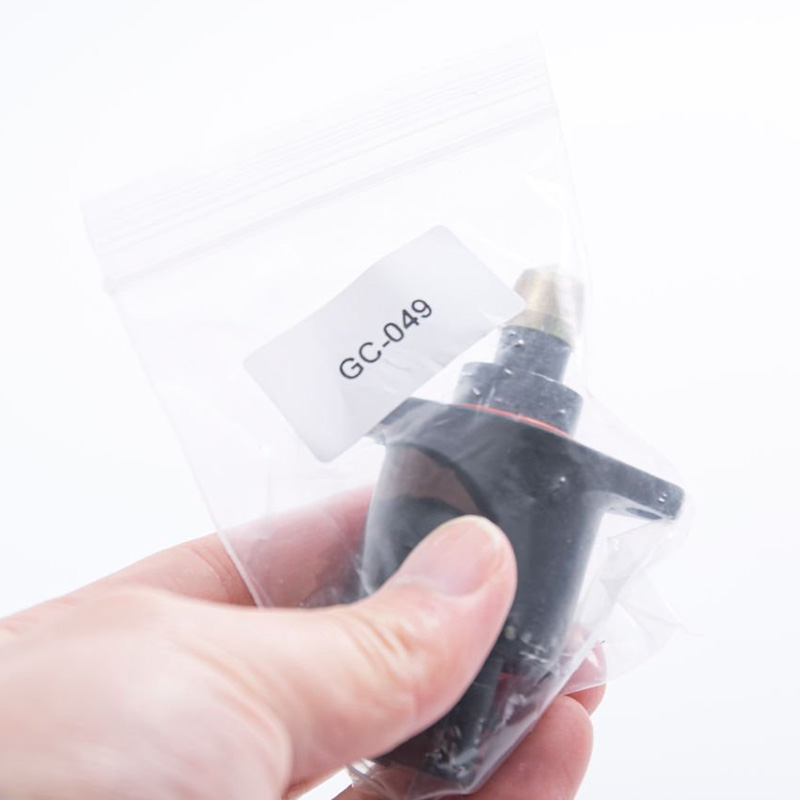
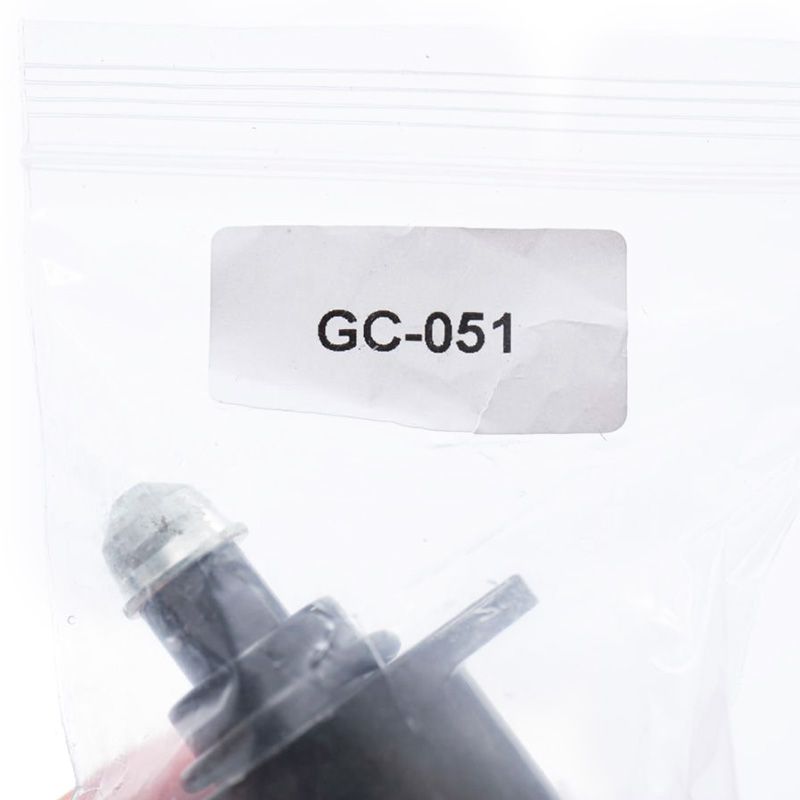
GC-051
مرجع عمر الفاروق:
بيجو: 19205F
التطبيق:
سيترو ساكسو (S0,S1)1.4VTS 1.6VTS;بيجو 106 II(1) 1.4i;206 Schraqheck(2A/C)1.4i
صمام التحكم في الهواء الخامل من مصنع الصين لسيتروين ساكسو بيجو 106 206.
اتصل بنا
لنبدأ التعاون

تتخصص شركة Guocheng في البحث والتطوير وإنتاج مكونات المحرك الرئيسية لصناعات السيارات والآلات الهندسية.
منتج
ابق على اتصال
التلفون: (+86) - 577 - 8582 0886
الفاكس: (+86) - 577 - 8582 8085
الهاتف: (+86) - 19730213059
sales@wz-gc.com
رقم 205، طريق بايو، الطريق الخامس عشر، حديقة بينهاي، ونتشو، تشجيانغ، الصين
رمز الاستجابة السريعة

 English
 русский
 Español
 عربى
عربى Deutsch